
Last updated November 20, 2026
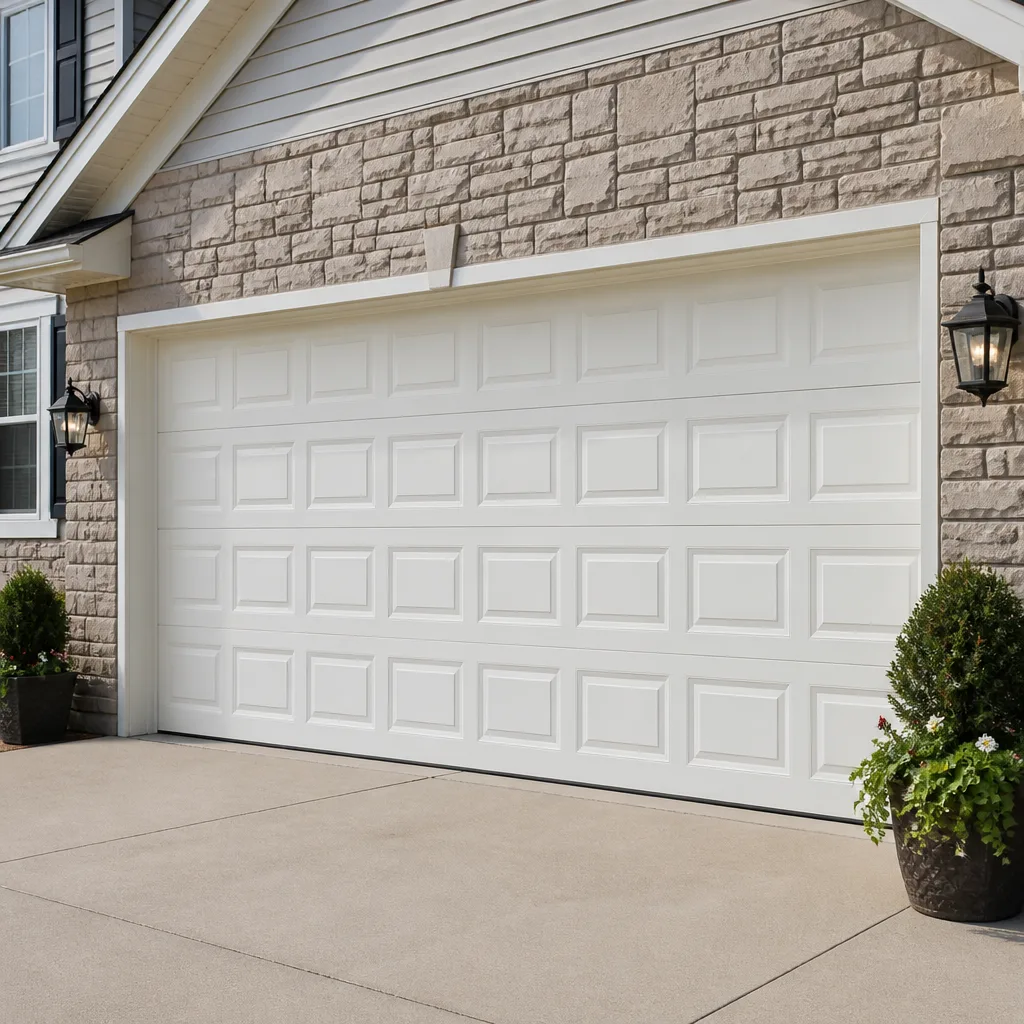 Raised-panel steel
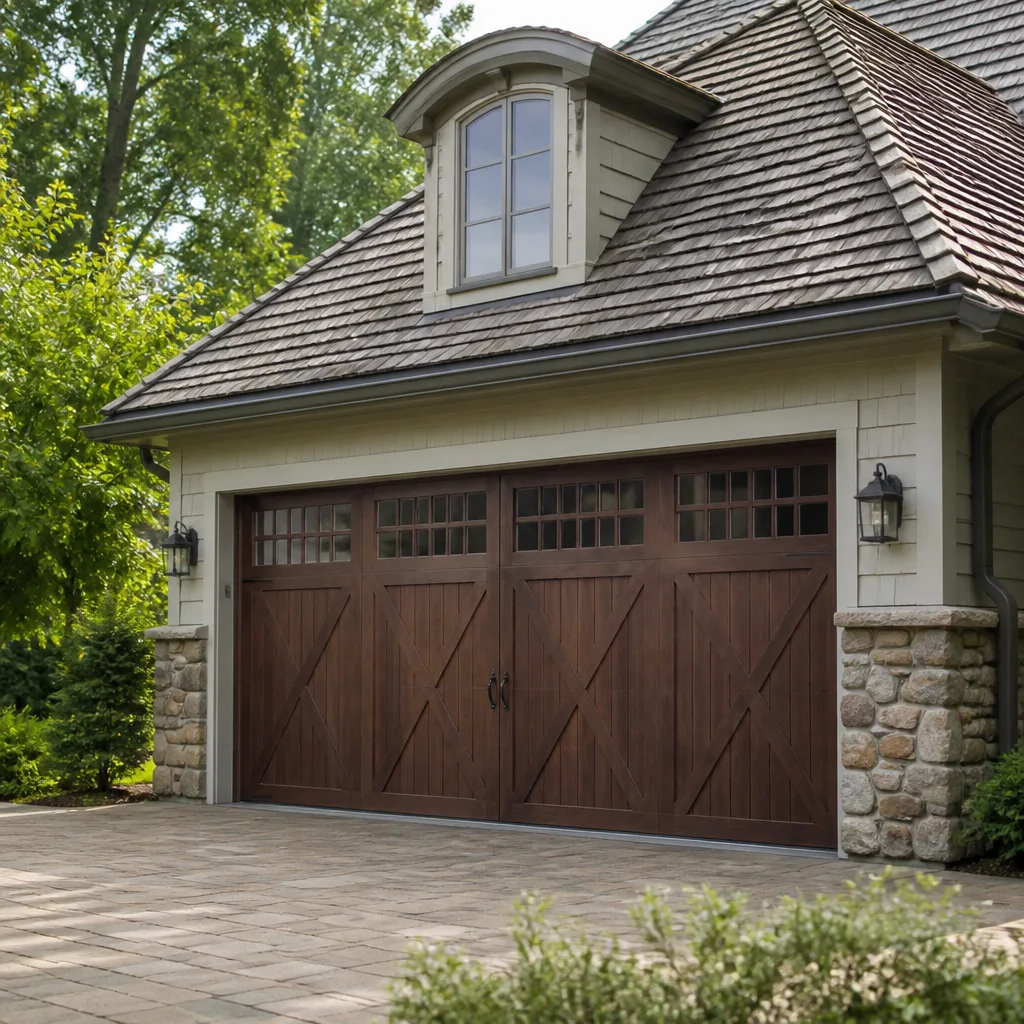 Carriage house
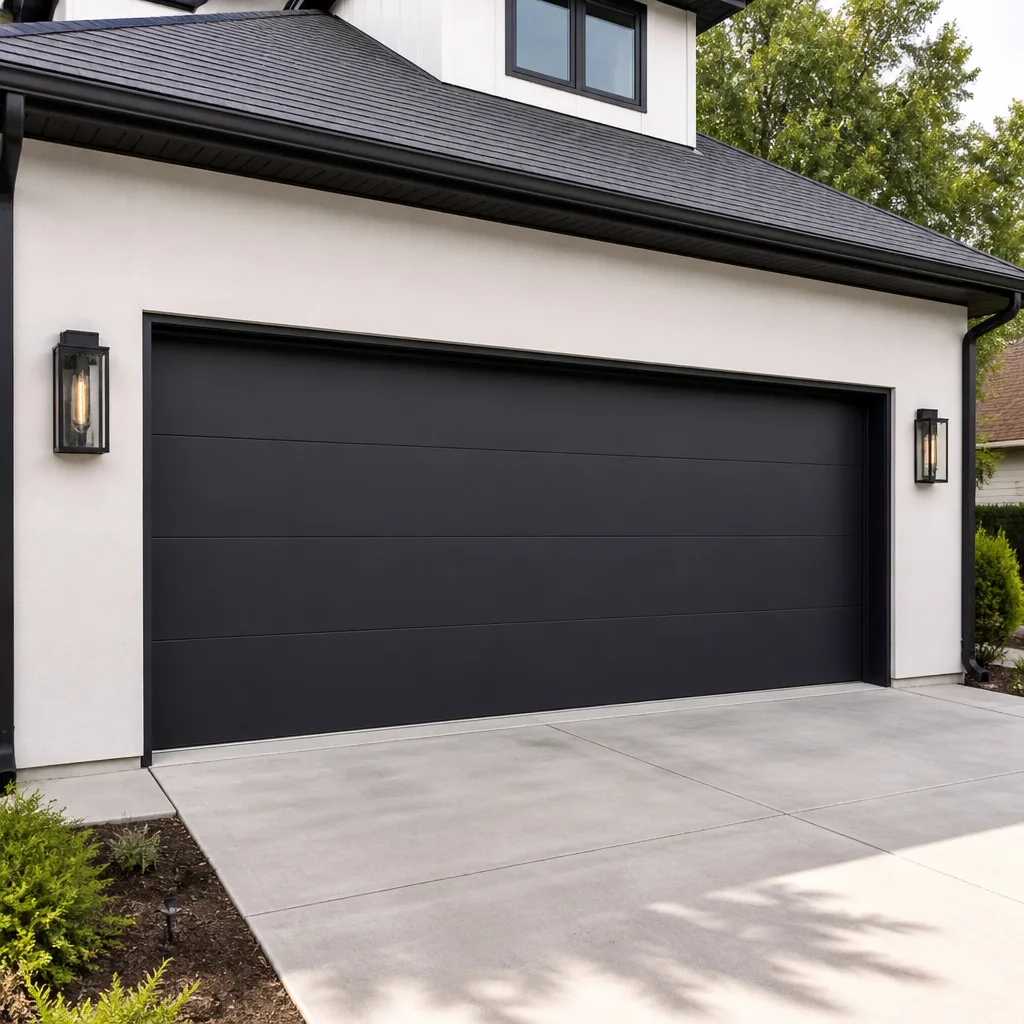 Modern flush
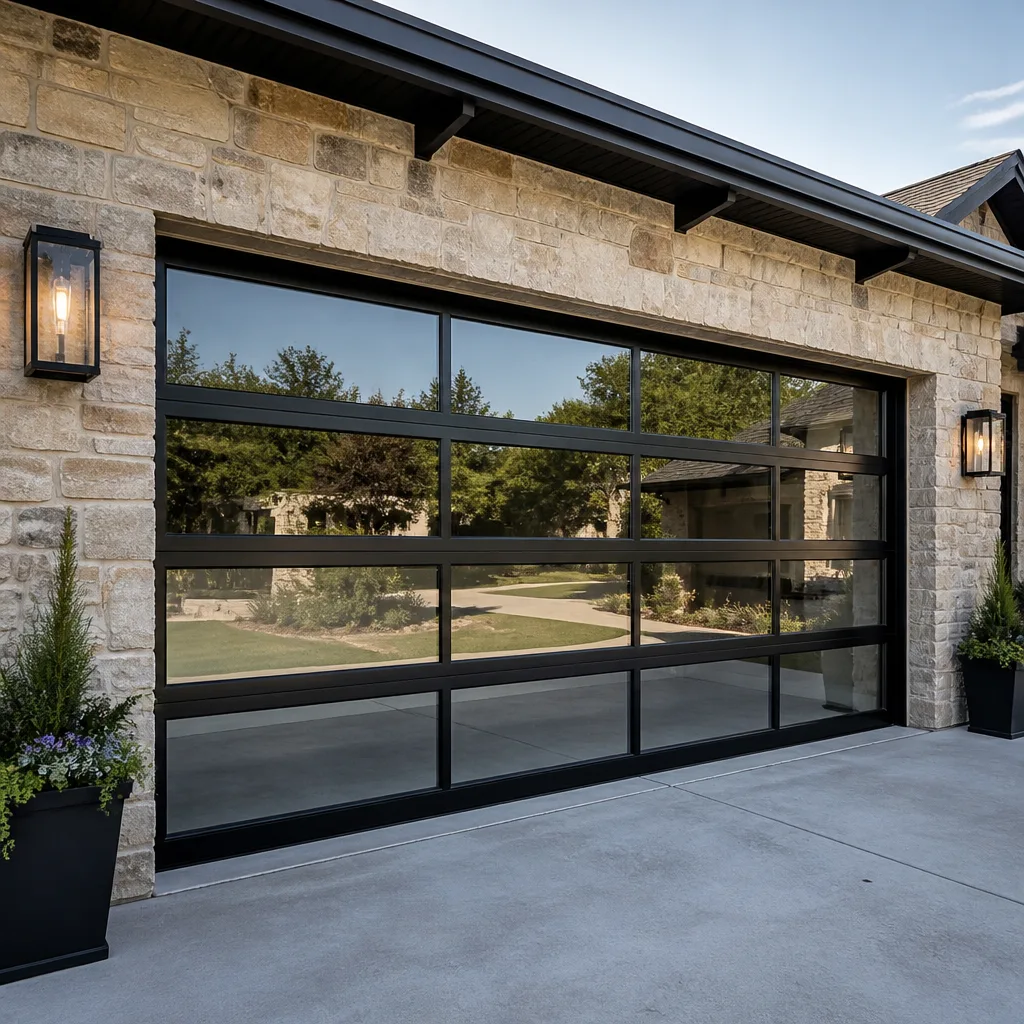 Full-view glass
 LiftMaster openers
 Chamberlain openers
Full 25-point door and opener safety check with every visit - springs, cables, rollers, tracks, and your LiftMaster or Chamberlain opener included
You get a price before we start. It does not change when the pro arrives.
Get your free estimateGarage Door Warning Signs: A Linden Homeowner’s Reference Guide
A garage door that hesitates for two seconds before it moves is not “just getting old.” That pause is an opener working past its torque limit to compensate for a mechanical problem, and the motor tends to be the part that pays for it. Most doors in Linden give plenty of notice before they fail: a grind here, a shudder there, a cable that has started to fray. The trouble is that none of those signals come with a label. This guide translates the sounds, movements and visual cues into probable causes and a simple urgency rating, so you can decide whether to monitor the door, schedule a visit, or stop using it today. We work on the brand you already have, and what follows is how we read a door.
Quick Answer
Garage door warning signs fall into three urgency tiers: monitor for 30 days (light squeaking, minor rattles, slow opener response), schedule within a week (grinding, jerking movement, uneven travel, one broken spring when the door has two), and stop using the door today (a snapped cable, a visibly bent track, a door that hangs crooked, or any popping sound from a torsion spring). Almost every warning sign is cheaper to fix at the first tier than the third, because one ignored component transfers its load onto the opener, the springs and the tracks.
Styles & brands we work with
- Raised-panel steel
- Carriage house
- Modern flush
- Full-view glass
- LiftMaster openers
- Chamberlain openers
Table of Contents
- Sound-to-Cause Translation: What Your Door Is Telling You
- Movement Warning Signs
- Visual Inspection Cues You Can Check This Weekend
- The Three Urgency Tiers for Every Warning Sign
- How Warning Signs Compound (and Why Early Repairs Save Money)
- How Linden Weather Affects Your Door Over the Year
- What You Can Check Yourself and What You Should Never Touch
- Brand-Specific Notes: LiftMaster, Raynor, Wayne Dalton and Others
Sound-to-Cause Translation: What Your Door Is Telling You
A garage door is a collection of moving parts under tension, and each part fails with its own sound. Here’s how we map the noises homeowners describe to the component most likely behind them, and what each one usually means for a door in Linden.
- Grinding. Metal-on-metal grinding usually points to rollers seizing in their hinges, a dry torsion shaft, or debris packed into the track channel. In our experience, grinding is the most commonly dismissed sound, and the most common cause of a burnt-out opener motor, because the motor strains against the added friction on every cycle.
- Squealing or high-pitched whining. A squeal is typically a dry torsion shaft, dry rollers, or a bearing at the end of the torsion tube that has lost its grease. It’s usually the cheapest sound to resolve and the safest to schedule rather than treat as urgent.
- Popping or a single loud bang. A loud pop from the center of the door, especially while opening, is the classic sound of a torsion spring breaking. This is a stop-using-the-door-today call. The door may still lift on one spring, which makes the failure more dangerous, not less.
- Rattling. Loose hinges, a rattling bottom bracket, or a track that’s come loose from the wall framing. Rattling often gets worse in cold snaps when fasteners that have worked loose over the summer shrink in their holes.
- Clicking that repeats. A repeating click from the opener housing often means a gear or sprocket inside the opener is worn, though it can also be the travel limit switch cycling. It’s a sign to have the opener looked at rather than replacement in most cases.
If you can hear the sound change based on when the door is moving (start of travel vs. end of travel), tell us that when you call. It halves the diagnostic time on-site and generally means a faster, more accurate repair.
Movement Warning Signs
The way a door moves tells you more than the way it looks. Sagging, shaking, jerking and uneven travel each point to a different component, and ignoring any of them puts strain on everything else.
- Hesitation before the door moves. The opener is compensating for mechanical resistance. The cause is almost always friction in the rollers, a misaligned track, or (on a door with two springs) a partially fatigued spring. This is a schedule-within-a-week sign, before the opener burns out.
- Jerking during travel. A door that moves in stutters rather than a smooth slide usually has a roller binding in its track, bent track sections, or a torsion shaft that needs lubrication. It’s rarely a problem with the opener itself on a door that used to run smoothly.
- Sagging at the top before it lifts. This usually means one of the two torsion springs has fatigued or broken. The door is now being lifted by a single spring, which is designed for half the load. Stop using the door and call.
- Uneven travel (one side ahead of the other). Uneven travel means one cable is loose, stretched or has jumped a drum. On a sectional door, this can shove a panel off its hinges and cause a binding that will not release on its own. Treat it as a schedule-within-a-week sign, or today if the door visibly hangs crooked.
- Shaking or wobbling side-to-side. Usually worn rollers or a track that has come out of vertical alignment. Left long enough, the roller pops out of the track and the door is stuck open with the panel out of alignment.
Movement problems are the ones we most often see deferred past the point where a single-component fix would have worked. If you’re noticing any of these in Linden and want a trained eye on it, garage door repair can diagnose which component is failing and give you a written estimate before any work starts.
Visual Inspection Cues You Can Check This Weekend
You don’t need tools to spot most of these. You do need a flashlight and about ten minutes. Any of the below is worth a call, and a few are urgent.
- Cables. Look at the steel cables running down each side of the door. A healthy cable is a tight, uniform coil of wire. A worn cable shows frayed strand ends sticking out, a stretch mark where one section has pulled loose from the rest, or a kink. A frayed cable is the one visual cue that can turn into a full panel collapse if it’s left. Treat it as an urgent sign. Do not touch a cable under tension. Cables are under hundreds of pounds of load and can cause serious injury; call a trained professional.
- Springs over the door. On a torsion spring above the door, look for a visible gap in the coil (the spring has broken), heavy rust on more than a third of the coils, or a spring that looks noticeably stretched compared to its original length. On extension springs running parallel to the track, look for a gap in the coil or springs that have stretched out of their safety cables. Do not attempt to adjust or remove springs yourself. A torsion spring stores enough energy to cause severe injury in a fraction of a second. This is the single most dangerous part of a garage door system.
- Track alignment. Stand outside and look down each track channel. The two rails should be parallel and the channel should be a consistent width top to bottom. A track dented inward, bowed, or visibly out of parallel with the wall frame will cause rollers to bind and eventually derail.
- Rollers. Every roller should turn freely with your fingertip (door closed and disconnected from the opener if you’re checking). A roller with a flat spot, a missing cap, or one that won’t spin is a candidate for replacement before it binds a track.
- Panels and hinges. A sagging panel, a hinge with a bent pin, or a panel that is no longer flush with its neighbors usually points back to a spring or cable issue that has already done some damage.
- The bottom rubber seal. Worn seals push against the floor and drag on every cycle, adding load to the opener and sometimes tripping the safety reverse.
If any of these visual cues are present and you’re not sure of the severity, it’s worth having a technician confirm what you’re seeing before you cycle the door again. For more on spring-specific diagnosis, our garage door repair service includes a full visual inspection on every visit.
The Three Urgency Tiers for Every Warning Sign
When a homeowner calls us with a warning sign in Linden, the first question we ask is which of three categories it falls into. Here’s the reference by warning sign.
- Monitor for 30 days. Light squeaking, dry-sounding rollers, slow opener response, a rattle that only shows up in cold weather, a worn bottom seal that still keeps the weather out. These are worth scheduling but don’t demand immediate attention.
- Schedule within a week. Grinding, jerking movement, hesitation at start, uneven travel, one broken spring on a two-spring door (the door still lifts, so homeowners postpone it, which is exactly when a second failure is most likely), a track visibly out of parallel, a roller that won’t turn, a clicking opener.
- Stop using the door today. A snap-pop from the torsion spring, a frayed or snapped cable, a visibly bent track, a door that hangs crooked on one side, a door that has rolled off its track, or a door that has come off its opener trolley and can fall. These are the ones that can turn into panel collapse, injury or a full replacement.
The middle tier is the one homeowners most often get wrong. A grinding door and a jerking door are not urgent this second, but they’re not a “wait until it fails” either. A grinding roller either gets replaced or it eventually wears through the steel hinge, at which point the panel can drop out of the track. The cost difference between those two outcomes is significant.
How Warning Signs Compound (and Why Early Repairs Save Money)
Every ignored warning sign transfers its load somewhere else. This is the pattern we see most often and the reason early intervention tends to be cheaper. Take a grinding roller on a Wayne Dalton door: the roller seizes, the opener compensates by pushing harder through its torque, and within a few months the motor’s capacitor or gear wears faster than it should. Now you’re looking at a roller replacement plus an opener repair, where only the first would have been needed.
The same logic applies to springs. A single fatigued spring on a two-spring door means the second spring is now carrying double the load it was designed for. That second spring fails faster, and when it does you’re replacing a matched pair instead of a single spring. Cables follow the same pattern: a misaligned track that rubs a cable every cycle wears through the cable’s sheath and eventually through the strands, and what was a track adjustment becomes a cable replacement and possible panel damage.
In our experience working on LiftMaster, Raynor and Craftsman systems across Linden, the “compounding failure” is the single most expensive category of repair we handle, because it means fixing two or three components that each would have been a modest standalone repair. The cheapest repair on a garage door is almost always the first one, done early. If you’re at the “monitor for 30 days” stage, that’s the right window to book a second opinion, not the wrong one.
How Linden Weather Affects Your Door Over the Year
Garage doors are exposed to more temperature swings than almost any other mechanical system in a house. Linden’s winters bring freezing nights and thaw cycles, and that freeze-thaw pattern works metal and seals harder than a steady cold spell. Here’s what to watch for across the seasons.
- Winter: Cold contracts metal. Fasteners that were tight in October can loosen by January, which is when rattles start. Grease thickens in cold weather, so a lightly squeaking door in summer can become a grinding door in February. The bottom rubber seal also stiffens and can drag on the floor, adding strain to the opener.
- Spring thaw: Water pooling at the door’s threshold can soak the bottom panel, and freeze-thaw cycles bend track sections that have taken an impact. This is the season we most often see bent bottom tracks that aren’t visible when the door is closed.
- Summer: Humid stretches swell wooden doors and can tighten a door enough to change its balance. Rollers get drier as the grease evaporates, which is when the first squeak shows up.
- Fall: The highest-volume season for balance issues, because the door geometry shifts with the first cold snap after a hot summer. If your door has been fine all summer and starts to hesitate in October, this is usually why.
None of these are alarms on their own, but they explain why a door that was fine in June can start to grind in January. If you notice a seasonal change in the way your door sounds or moves in Linden, that’s the moment to have it looked at, not after it fails.
What You Can Check Yourself and What You Should Never Touch
There are a handful of checks that are safe with a flashlight and no tools, and a shorter list of components that are genuinely dangerous to touch. Knowing the line between them protects both you and the door.
- Safe: Look at the cables (without touching) and springs for visible gaps, fraying, or rust.
- Safe: Listen to the door move and note which cycle position makes the sound.
- Safe: Test the safety reverse by placing a small object under the door’s path while it closes (this is a routine safety check, not a repair).
- Safe: Check that the two tracks are parallel by looking down the channel.
- Safe: Test the manual release to confirm the door disconnects and balances (with the door closed and the opener disengaged, per your opener’s manual).
- Never: Adjust, remove or “re-tension” a torsion spring. A torsion spring stores enough energy to cause severe or fatal injury. This requires a trained technician with the right tools. Do not attempt it.
- Never: Cut, loosen or reposition a cable under load. A cable under tension can whip and cause serious injury.
- Never: Force a door that has come off its track or is hanging crooked. Call a professional and leave the door in place.
If you’re ever uncertain whether something you see is in the “safe to check” or “call a pro” category, err on the side of calling. Our garage door repair line treats a safety call as exactly that, and we’d rather look at a door that didn’t need anything than miss a spring that’s holding on.
Brand-Specific Notes: LiftMaster, Raynor, Wayne Dalton and Others
Some warning signs carry brand-specific weight. Here’s what we watch for on the systems we work on every day.
- LiftMaster openers: The most common opener signs on this line are a clicking gear inside the housing, a travel limit that needs re-setting after a power outage, and a safety-reverse sensor that’s been bumped. These are garage door opener repair issues, not door issues, and can often be resolved on a single visit.
- Raynor and Wayne Dalton doors: Both brands use a mix of torsion and extension spring setups depending on the model. The visual check for springs differs by type, so a photograph sent before a visit saves a lot of diagnostic time.
- Craftsman and Chamberlain: Older Craftsman openers with chain drives can develop a distinctive rattle in the chain itself, separate from the door’s rattles. If the noise only appears in the opener housing, it’s worth having the opener checked.
- Clopay and Amarr panels: Panel-specific warning signs (sagging, delamination, a hinge pulling out of a panel’s steel) show up on these doors, and replacement of a single panel is often the right fix rather than a whole door.
We work on the eight major brands we see across central Ohio and stock and supply genuine parts for most of them, which means the visit that diagnoses the problem can also fix it. That’s what “parts on hand, problem solved faster” means in practice. If you need a whole replacement rather than a repair, we’ll talk through garage door installation honestly, and tell you if the door can be repaired instead.
Common Mistakes to Avoid
- Ignoring the first squeak. A squeal sounds harmless, but it’s the cheapest sign on the whole door to fix and the first thing that turns into a grinding problem. Grease it or book it before it becomes a bearing issue.
- Assuming a broken spring means a new door. Most broken springs are a repair job, not a replacement. Our repair-first approach means we’ll tell you if the door doesn’t need to be replaced instead of selling you one.
- Forcing a door that has come off its track. A crooked door that has come out of its track is at risk of panel collapse. Leave it in place and call a professional rather than cycling it open and closed to “see if it settles.”
- Using WD-40 on the door’s rollers and hinges. A light spray is fine short term, but real garage door grease is a thicker, longer-lasting product. A door that needs re-greasing every few weeks is telling you the rollers themselves are worn.
- “Balancing” the door with a broken spring by using the opener. An opener on a door with a broken spring will work briefly, then burn out. This turns a spring repair into a spring plus opener repair. Stop using the door.
- Assuming a frayed cable is only a cable problem. A frayed cable usually means a track issue, a drum issue, or a spring that has lost tension. Replacing the cable without finding the cause just brings the cable back to the same condition.
- Scheduling a “spring adjustment” with someone without the right tools. Torsion springs require proper winding bars and handling; a generalist handyman can be injured or injure the door. Use a specialist who handles springs as a dedicated service.
See the difference
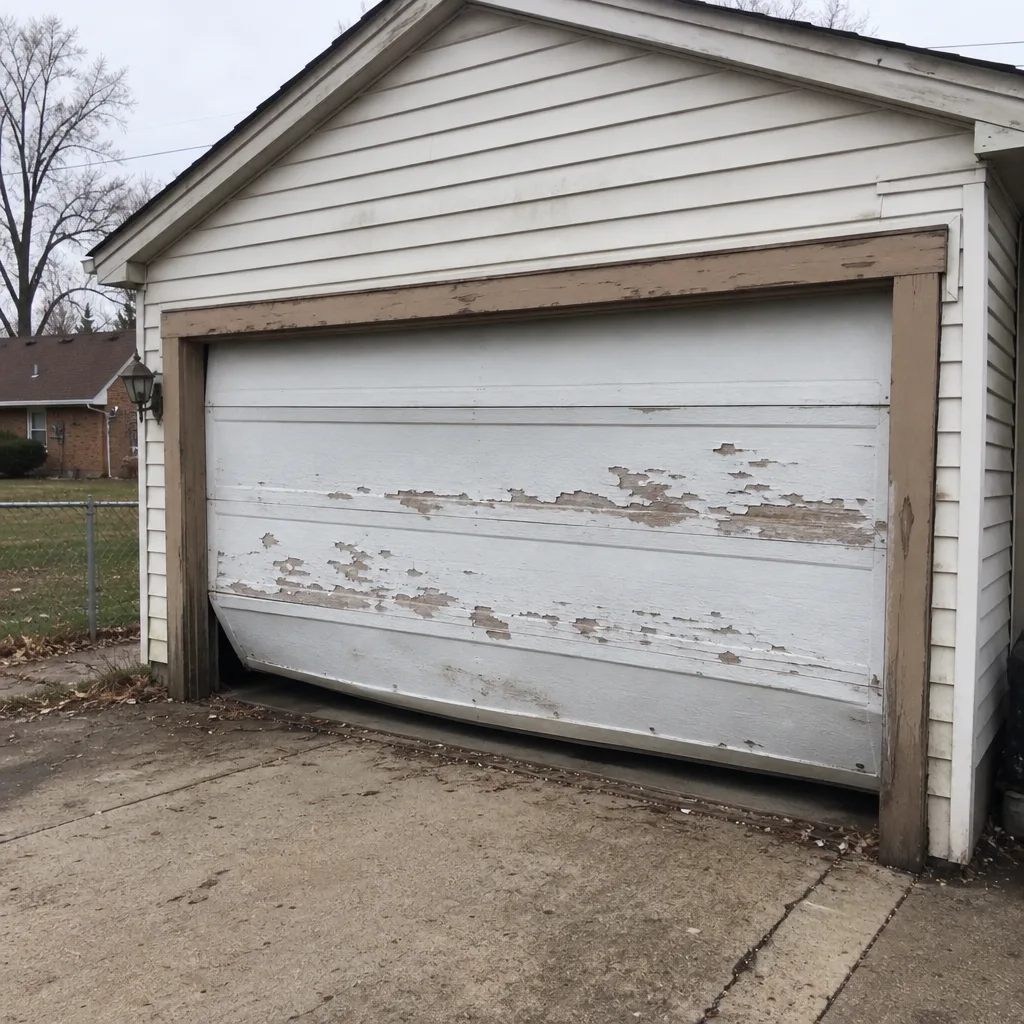 Before
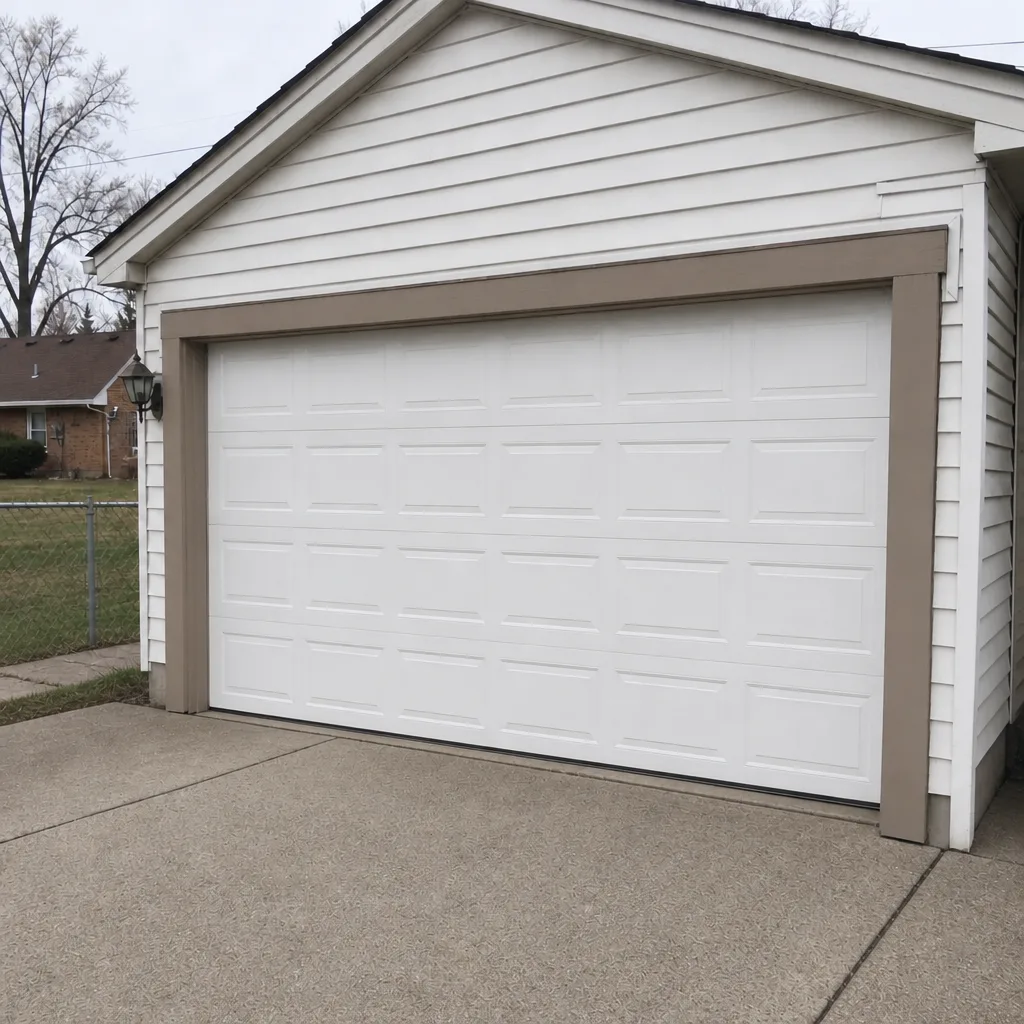 After
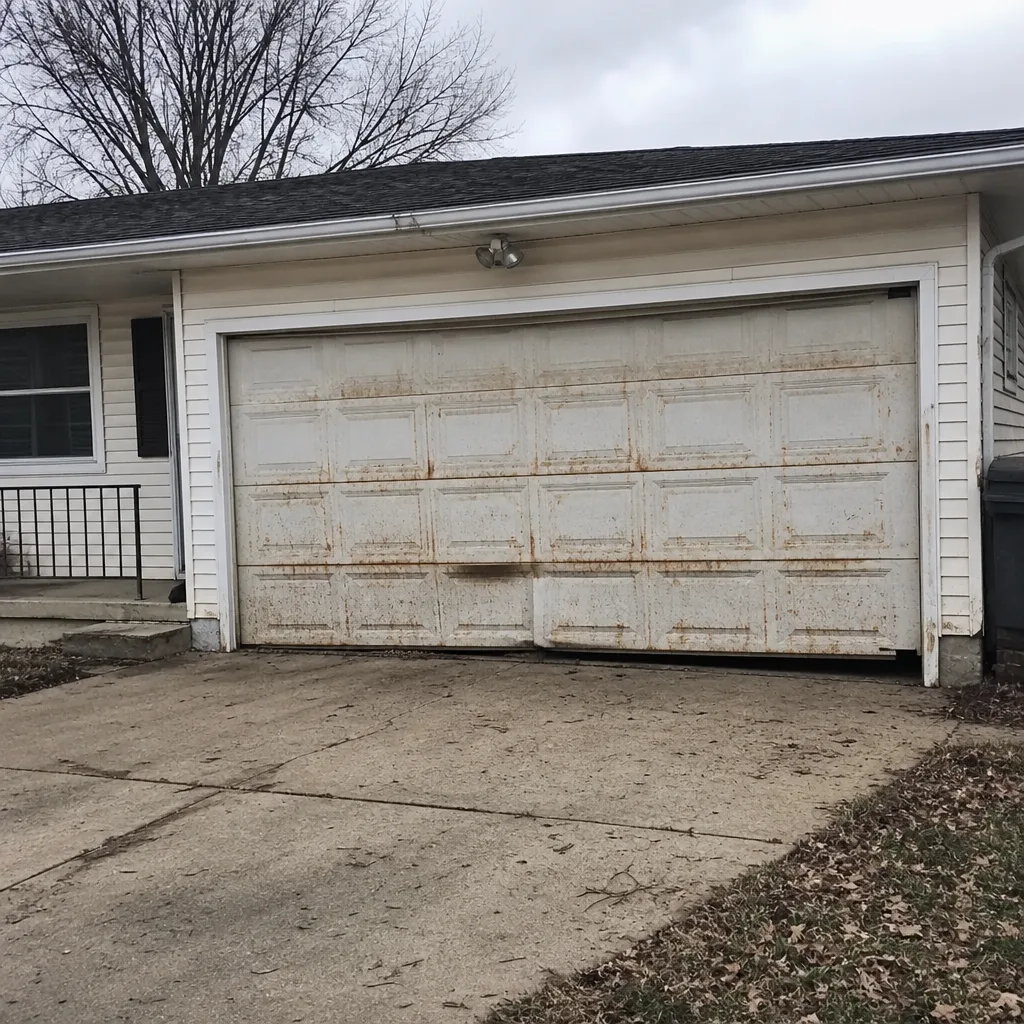 Before
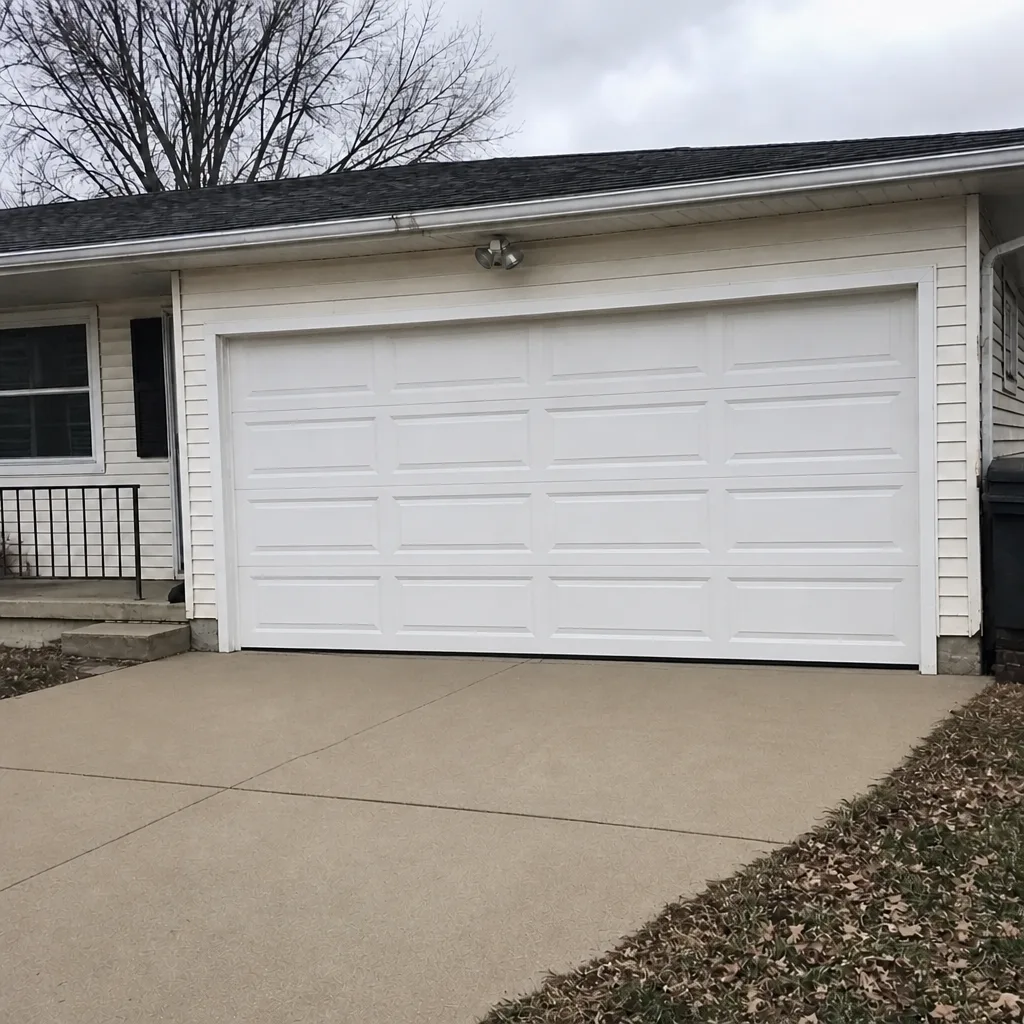 After
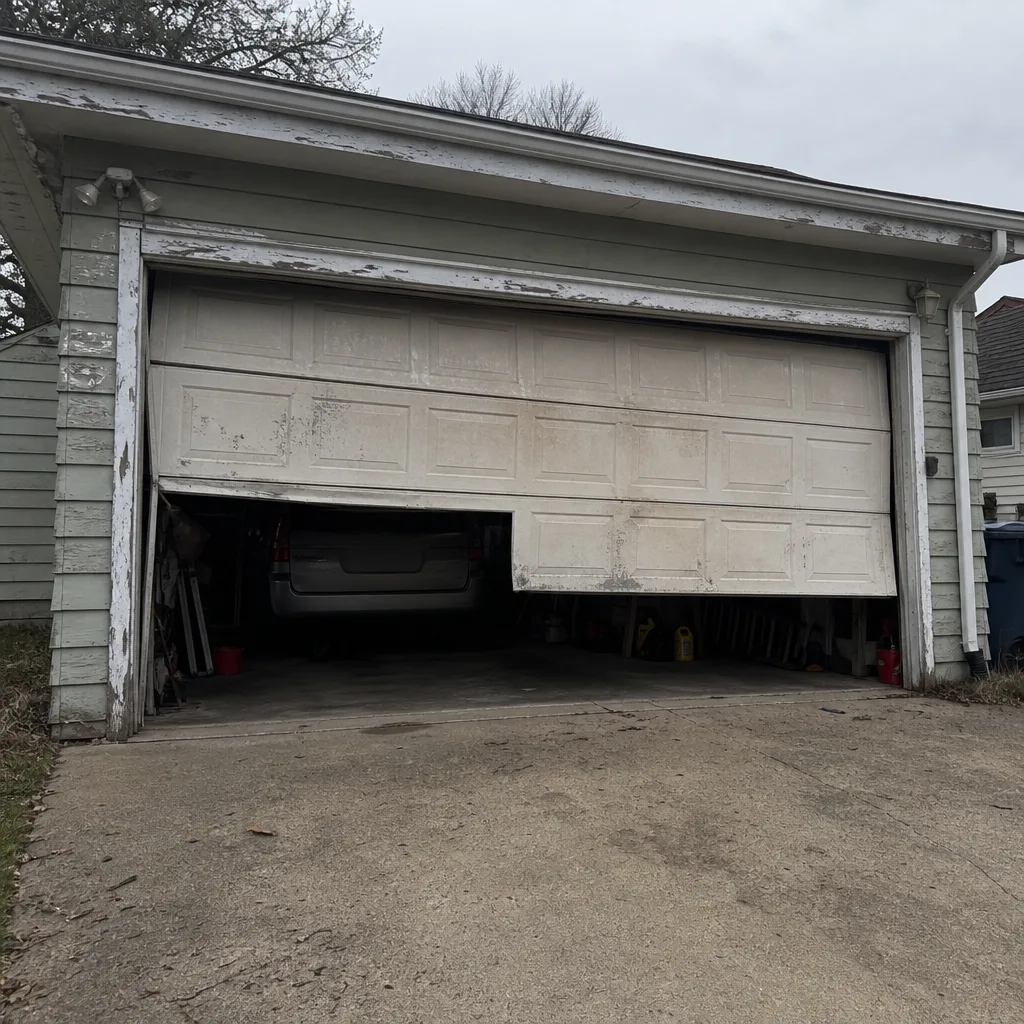 Before
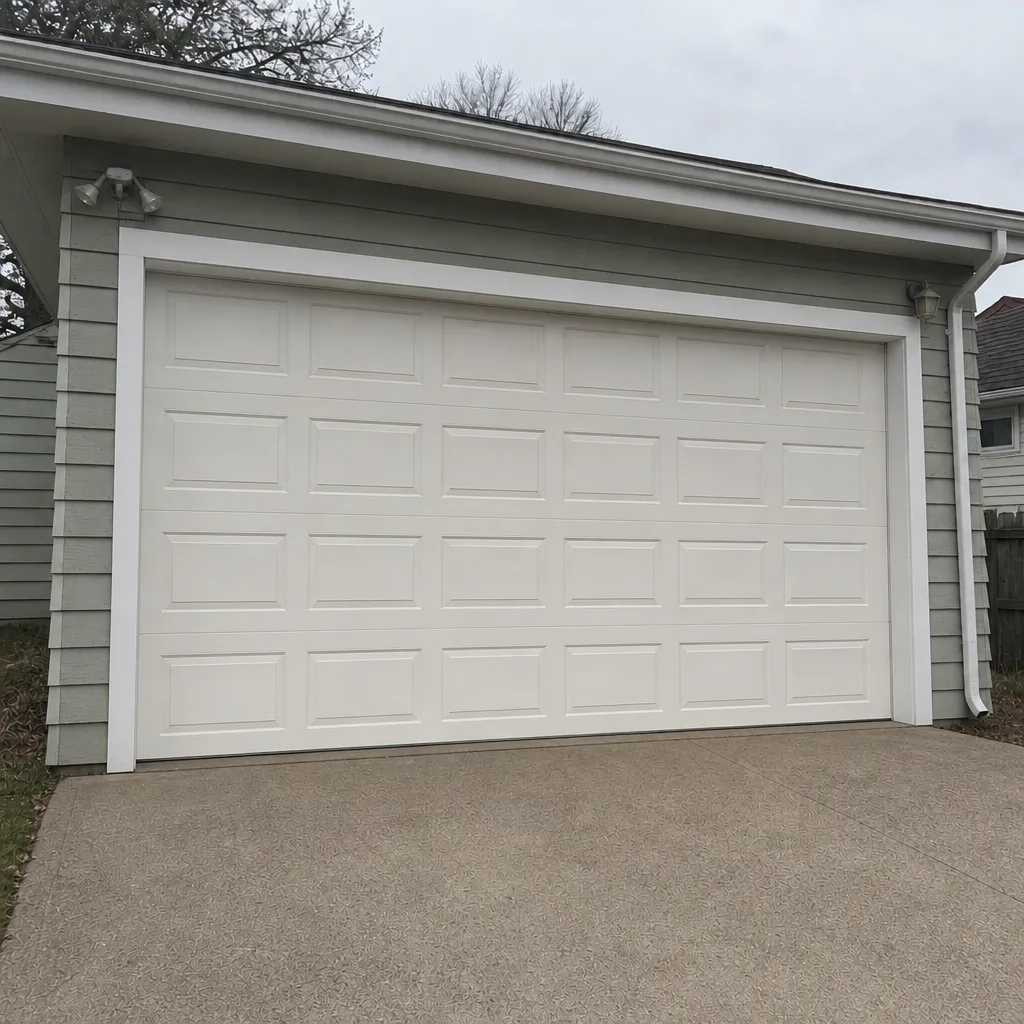 After
When to Call a Professional
Call a professional the day you see a frayed cable, any pop or bang from the torsion spring, a door that hangs crooked, or a door that has come off its track. These are the safety-critical ones. Schedule within the week for grinding, jerking movement, hesitation at start, or uneven travel. And if you’re at the “monitor for 30 days” stage but the door has started to sound different in the last few weeks, book a check rather than waiting for it to fail. Linden Garage Door Repair Pros offers free estimates in Linden. Call (877) 330-4873. We answer 24/7. Fast dispatch from 7am to 7pm, Sunday through Friday. A calm look now is cheaper than a stressful call later.
Frequently Asked Questions
Hesitation before the door starts moving is usually the earliest sign, because the opener is compensating for a mechanical problem it wasn’t designed to push through. If the door used to lift immediately and now pauses for a second or two before moving, that’s the moment to have it looked at. Call (877) 330-4873 for a free estimate; we answer 24/7.
No. A door with two springs is designed to lift on both, and a single spring carries double the load it was built for. Using the opener on a one-spring door is how a spring repair becomes a spring-and-opener repair. Stop using the door and call.
If the grinding comes from the door itself (along the panels or track), it’s almost always rollers, hinges, or track friction. If it comes from the opener housing above the door, it’s the opener’s gear, sprocket, or motor. If you can’t tell, a technician can in a few minutes. Call (877) 330-4873 for a free estimate.
Pricing is set per job by a written estimate before any work starts, so it depends entirely on what’s actually wrong with the door. A roller replacement is far less than a spring replacement, and a spring replacement is far less than a full opener replacement. The one number we won’t quote is one that isn’t tied to your door. Call (877) 330-4873 for a free estimate, and the written quote sets the final price.
A worn cable looks like a coil of wire with individual strand ends poking out at an angle, or a kink where one section has pulled loose from the coil. A cable that shows any of these is urgent, but do not touch it: cables are under hundreds of pounds of load and can cause serious injury. Call a professional and stop using the door.
Squeaking that only appears in cold weather is usually a lubrication issue on the torsion shaft, rollers, or end bearings, and it’s the “monitor for 30 days” tier rather than an emergency. It’s worth booking before it turns into grinding. Call (877) 330-4873 for a free estimate and we’ll tell you what’s causing it.
The Bottom Line
Most garage door failures in Linden don’t happen without warning. They announce themselves as a sound, a movement pattern, or a visual cue, and the only reason they turn into a full replacement is that the warning sign gets dismissed. The one rule to take from this guide: treat the first observation as the cheapest repair. If a sound isn’t on the list in this guide, if a movement isn’t covering either, or if you’d just rather a trained eye confirm it, call. We work on the brand you already have, we stock and supply genuine parts, and we’d rather give you an honest “monitor for 30 days” than an upsell. For Linden homeowners, the fastest path from concern to a written price is a quick call to (877) 330-4873 for a free estimate.
Written by the team at Linden Garage Door Repair Pros.