
Last updated November 20, 2026
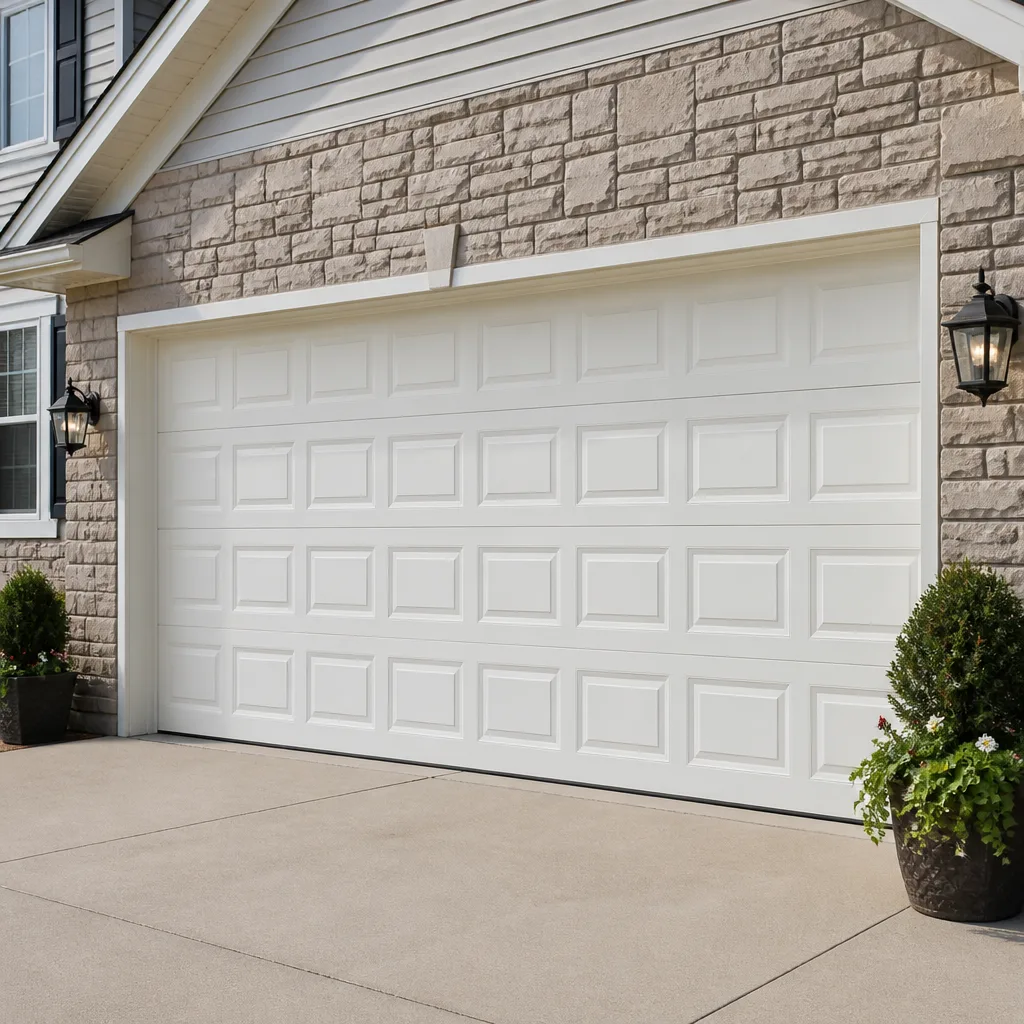 Raised-panel steel
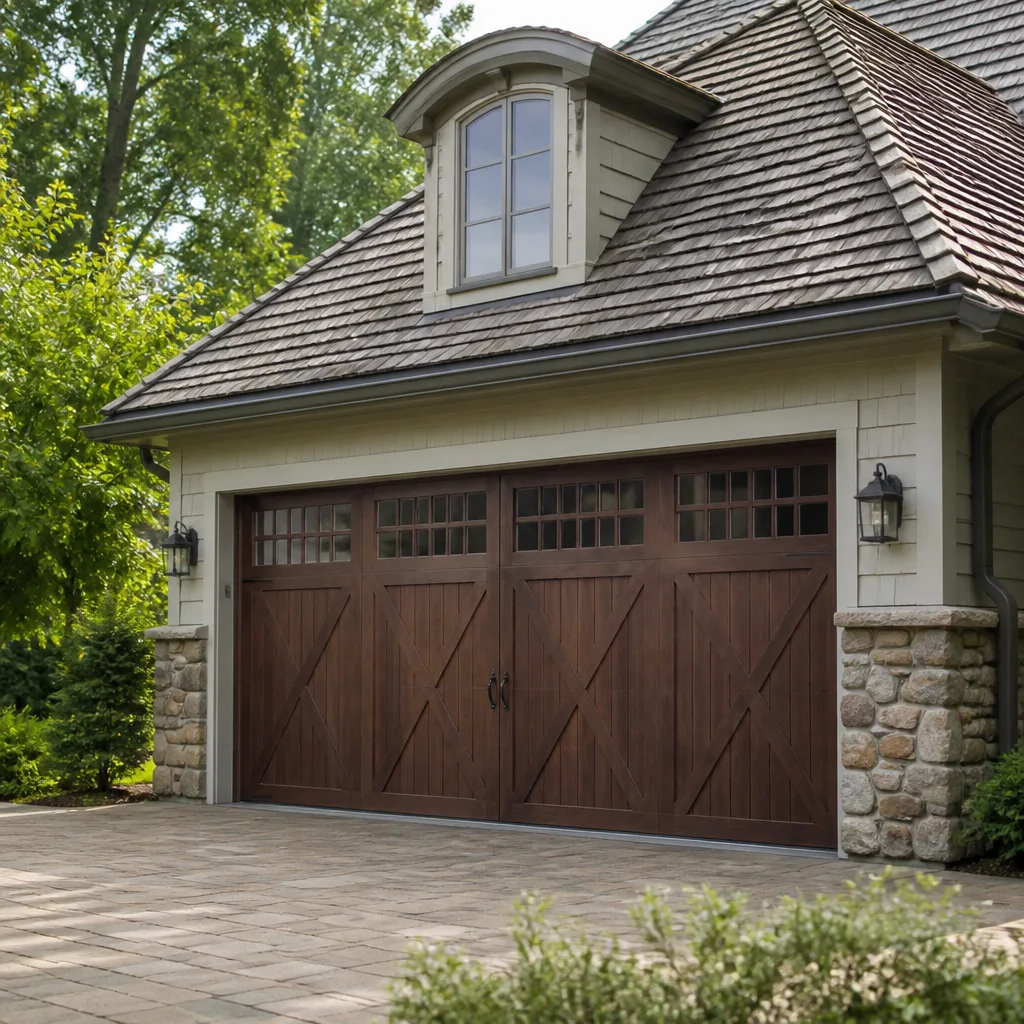 Carriage house
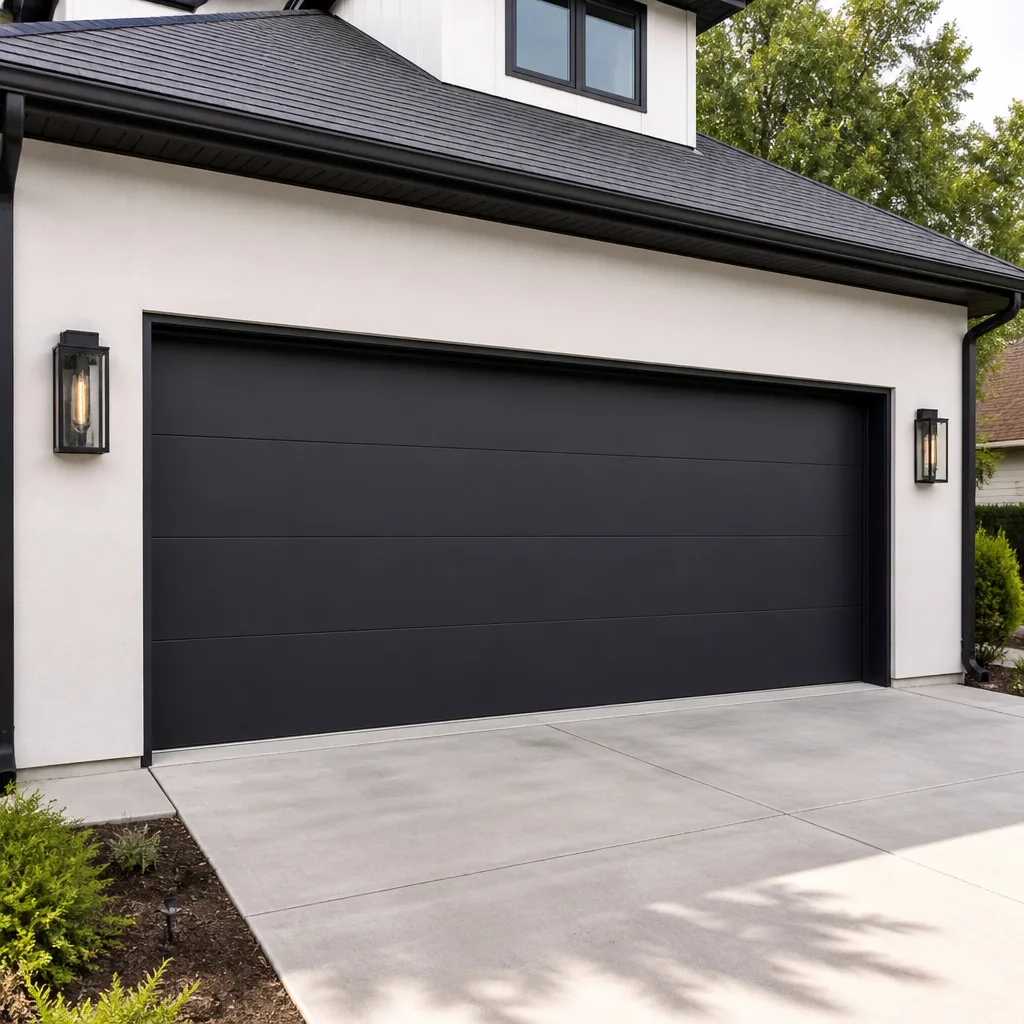 Modern flush
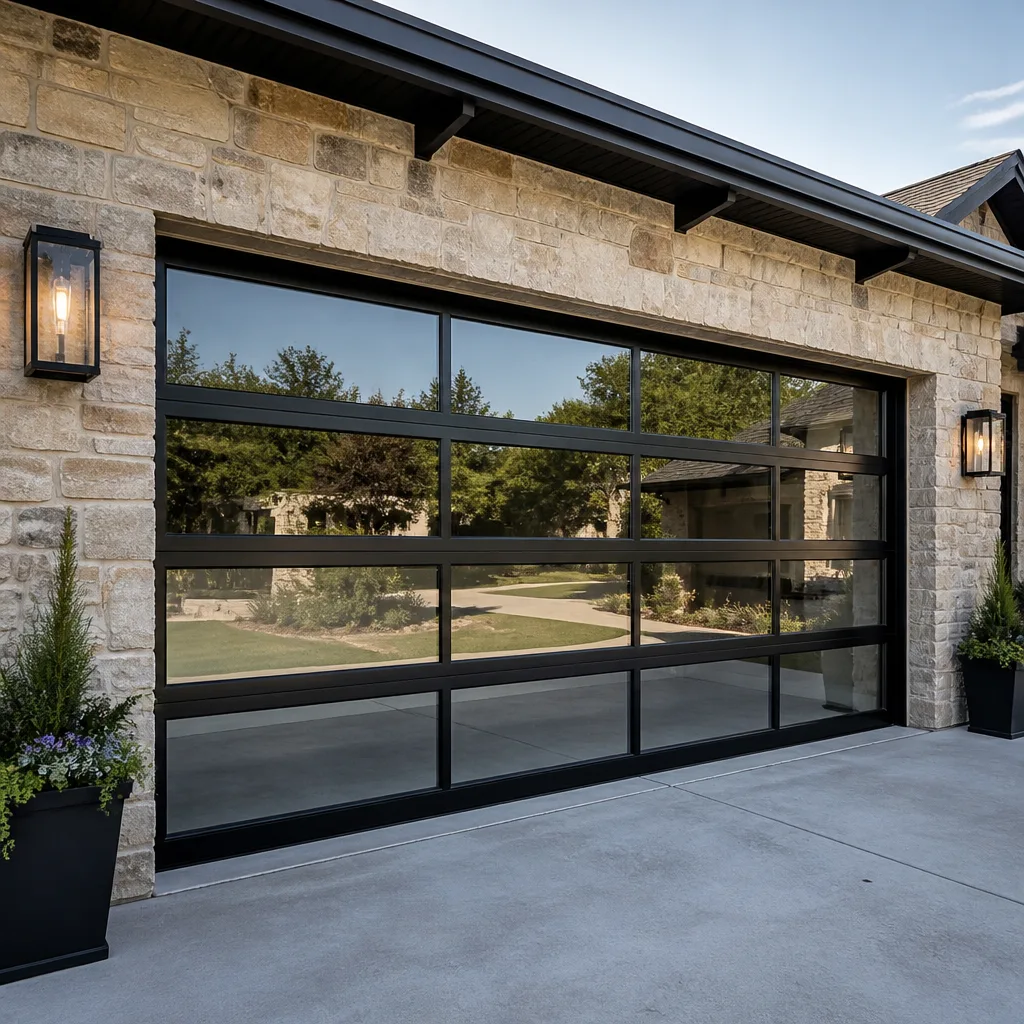 Full-view glass
 LiftMaster openers
 Chamberlain openers
Full 25-point door and opener safety check with every visit - springs, cables, rollers, tracks, and your LiftMaster or Chamberlain opener included
You get a price before we start. It does not change when the pro arrives.
Get your free estimateSeasonal Garage Door Care for Linden: Year-Round Homeowner’s Guide
Most springs don’t snap because winter makes steel brittle. They snap because a door sat frozen to the floor over a holiday stretch, and someone hit the opener and kept hitting it until something gave. That single pattern explains a good share of the spring failures we see around Linden every cold season. Central Ohio doesn’t hand your garage door one kind of weather – it hands it freeze-thaw swings, humid summers, and ice storms in the same twelve months. This guide walks you through what each season actually does to your door and opener, month by month, so you can catch small problems before they turn into a snapped cable or a bent track. Everything here is written for the door you already own.
Quick Answer
Seasonal garage door care in Linden means matching your maintenance to central Ohio’s weather: inspect and lubricate the door and weatherstripping before the first freeze in late fall, keep the bottom seal clear of ice through winter so the door never freezes down, check tracks and cables for frost-heave damage during spring thaw, and watch wood panels and opener sensitivity through humid summer months. A short check each season prevents most of the failures that show up as emergency repairs. When something is beyond a visual check, a trained technician handles it safely.
Styles & brands we work with
- Raised-panel steel
- Carriage house
- Modern flush
- Full-view glass
- LiftMaster openers
- Chamberlain openers
Table of Contents
- Why Linden’s Weather Is Hard on Garage Doors
- Fall Prep: Before the First Freeze
- Winter: The Freeze-to-Floor Problem
- Spring Thaw: Tracks, Cables, and Frost Heave
- Summer: Humidity, Wood Doors, and Opener Settings
- Your Month-by-Month Care Calendar
- Common Mistakes to Avoid
- When to Call a Professional
Why Linden’s Weather Is Hard on Garage Doors
Linden sits in a part of central Ohio where the ground freezes, thaws, and freezes again several times each winter. That cycle is the real enemy of a garage door. Every freeze pushes moisture into small gaps and every thaw lets it settle deeper. The concrete pad your door closes onto moves a little with each cycle, and the rubber bottom seal has to keep up with it.
The old housing stock around Linden adds another layer. Plenty of homes still have wood-frame garage doors, and wood behaves differently from steel or aluminum. It swells in July humidity and shrinks in January cold. A door that fits perfectly in spring can drag against its frame by August and rattle loose by December.
Then there are the ice storms that roll through the region in midwinter. Freezing rain coats the door panels, the tracks, and the seal in a shell of ice. Owners come out the next morning, press the remote, and the door doesn’t budge. What happens next is where most winter damage begins.
We work on the brands homeowners already have – Amarr, Wayne Dalton, Craftsman, Raynor, and the rest of the eight major lines we’re trained on. That matters for seasonal care because each system responds a little differently to cold and humidity. A Wayne Dalton door with a foam-core panel holds up differently than an older wood Amarr. Knowing the brand means knowing what to check first. If you’d rather hand the seasonal inspection to someone who works on these systems daily, our Linden Garage Door Repair Pros team can take a look.
Fall Prep: Before the First Freeze
Fall is the single most important season for garage door care in Linden. The work you do before the ground freezes in late November or early December decides how the door behaves through January. There are three tasks that matter most, and they should happen in October or early November, not the week of the first hard freeze.
1. Inspect and replace weatherstripping. The rubber or vinyl strip along the sides and top of the door frame takes the brunt of wind-driven snow. Run your hand along it and look for cracks, hardening, or gaps where daylight shows through. Weatherstripping that has gone stiff won’t seal, and an unsealed door lets cold air and moisture in right where the seal meets the floor.
2. Switch to a low-temperature lubricant. Standard garage door lubricant thickens in cold weather and can make rollers and hinges sluggish. Before the freeze, wipe down the hinges, rollers, and torsion springs and apply a lubricant rated for cold temperatures. This keeps the door moving smoothly when the opener has to work harder against cold-stiffened seals.
3. Check the bottom seal before ground freeze. This is the one most homeowners skip. Look at the rubber seal along the bottom edge of the door. If it’s cracked, flattened, or torn, cold air and moisture get underneath and set up the freeze-to-floor problem. A seal that’s already worn will freeze solid faster than a fresh one. If it needs replacing, a parts visit or a quick garage door repair call before the freeze saves you a winter of prying.
While you’re at it, test the door’s balance. Disconnect the opener and lift the door halfway by hand. It should stay put. If it drops or feels heavy, the springs are losing tension and will struggle even more in cold weather.
Winter: The Freeze-to-Floor Problem
Here’s the counterintuitive part about winter spring failures: cold doesn’t usually break a spring on its own. Torsion springs are steel and they handle cold fine. What breaks them is a door that froze to the floor, then a homeowner leaning on the opener button trying to force it free. The opener pulls against a door that can’t move, the spring absorbs the shock, and eventually something snaps.
Here’s how to release a frozen door safely:
- Stop pressing the opener. If the door doesn’t move on the first try, don’t hold the button or hit it repeatedly. That’s what damages springs and strips gears.
- Pull the manual release. The red cord hanging from the opener trolley disconnects the door from the motor. This lets you test the door by hand without fighting the opener.
- Break the ice gently. Use warm (not boiling) water along the bottom seal, or a plastic scraper. Never use a metal shovel or an ice pick near the door – you’ll tear the bottom seal or gouge the panel.
- Lift by hand, slowly. Once the seal releases, lift the door a few inches by hand to confirm it’s free before reconnecting the opener.
- Clear the threshold. Shovel and de-ice the apron in front of the door so meltwater drains away instead of refreezing under the seal.
Spring failure itself is a job for a trained technician. Torsion springs are under heavy tension, and a spring that lets go can cause serious injury. Never try to wind or replace one yourself. Our team runs spring repair as a dedicated service for exactly this reason – it needs the right tools and the right training.
Spring Thaw: Tracks, Cables, and Frost Heave
When the ground thaws in March and April, the concrete pad under your door settles back. Sometimes it doesn’t settle back evenly. Frost heave lifts one side of the pad, or a winter of freezing pushes the track slightly out of plumb. The result is a door that suddenly scrapes, binds, or closes crooked – problems that didn’t exist in the fall.
Spring is the time to check for these three things:
- Track alignment. Stand inside the garage and look up the vertical tracks. They should be straight and parallel. If one is bowed or the gap between them looks uneven, the door will bind against it.
- Cable condition. After a winter of tension cycles, cables can fray. Look for broken strands, kinks, or slack on either side. A frayed cable is dangerous and should be replaced before it fails.
- Roller wear. Cold weather stiffens rollers and can wear the bearings faster. Spin each roller by hand – it should turn freely without grinding.
This is also a good time to check the opener. If the door has been binding against a misaligned track all winter, the opener motor has been working harder than it should. Listen for straining or grinding when the door moves. A struggling opener often needs an adjustment rather than a replacement, which is why we take a repair-first approach. If your opener needs attention, our garage door opener repair service handles the diagnosis.
Summer: Humidity, Wood Doors, and Opener Settings
Linden summers are humid, and humidity changes how a garage door behaves. Wood panels absorb moisture and swell. A door that closed cleanly in April can drag against its frame by July. Steel and aluminum doors don’t swell, but the paint and finish on them take a beating from sun and humidity, and small chips let rust start.
For wood doors, check the finish each summer. Look for peeling paint, bare spots, and dark patches that suggest moisture is getting in. Refinishing before summer humidity takes hold protects the wood through the wet months. For steel doors, touch up any chips in the paint before rust sets in.
Heat affects opener settings, too. Openers have sensitivity adjustments that control how much force they use before reversing. A door that swells slightly in high humidity can exceed that force limit, and the opener reverses as if it hit an obstruction. If your door reverses on its own in summer, don’t just crank up the sensitivity – check the door’s balance and alignment first. Raising the limit can mask a real problem.
Summer is also a sensible time to think about a door that’s simply reached the end of its useful life. If you’re weighing replacement, our garage door installation service covers the full range of brands and panel styles, and we’ll tell you honestly whether a repair would serve you better. Summer weather makes installation scheduling straightforward – no frozen ground, no ice storms.
Your Month-by-Month Care Calendar
A vague “check it each season” reminder gets forgotten. A specific calendar doesn’t. Here’s what to do in which month for a Linden garage door:
- March: Check tracks for frost-heave misalignment and inspect cables for fraying after winter.
- April: Spin rollers by hand and listen to the opener for straining. Clear debris from the door’s path.
- May: Inspect wood door finish and touch up chips on steel or aluminum panels.
- June: Watch for doors that reverse on their own as humidity rises. Check balance before adjusting opener sensitivity.
- July: Clean and touch up the exterior finish on all panels. Confirm weatherstripping still seals.
- August: Check the balance again – summer humidity can shift a wood door’s fit.
- September: First fall inspection. Replace worn weatherstripping before it hardens in the cold.
- October: Switch to low-temperature lubricant on hinges, rollers, and springs. Check the bottom seal.
- November: Test the door’s balance by hand. Clear gutters and drainage around the garage apron.
- December: Watch for freeze-to-floor conditions. Never force the opener if the door won’t move.
- January: Keep the threshold clear of ice and snow. Break ice gently with warm water, never a metal tool.
- February: Final winter check on the bottom seal and opener. Plan spring repairs for when the ground thaws.
Two seasonal deep-checks – one in fall, one in spring – cover most of this. The monthly items are quick visual checks that take a few minutes.
Common Mistakes to Avoid
- Forcing a frozen door with the opener. Holding the button or hitting it repeatedly when the door is stuck is the fastest way to snap a spring. Use the manual release and free the door by hand instead.
- Using standard lubricant in winter. Grease that thickens in cold weather makes rollers and hinges sluggish. Switch to a cold-rated lubricant before the first freeze.
- Ignoring a worn bottom seal. A cracked seal lets moisture under the door and sets up the freeze-to-floor problem. Check it in fall, not mid-January.
- Cranking up opener sensitivity to fix a reversing door. A door that reverses in summer humidity often has a balance or alignment problem. Raising the force limit masks it and strains the opener.
- Chip-sealing ice with a metal shovel. Metal tools near the bottom seal and panels cause damage that costs more than the ice ever would. Use warm water or a plastic scraper.
- Skipping the spring balance check. A door that won’t stay halfway up by hand is a door whose springs are losing tension. Catching it early avoids a midwinter failure.
- Assuming a misaligned track means a full replacement. Frost heave often just needs a track adjustment. A repair-first approach usually fixes it.
When to Call a Professional
Some seasonal tasks are safe for a homeowner: wiping down hinges, checking weatherstripping, clearing snow from the threshold, and watching for doors that reverse on their own. Others are not. Any spring or cable issue is a job for a trained technician – those parts are under heavy tension and a failure can cause serious injury. A track that’s bent, a door that’s come off its rollers, or an opener that strains even after a balance check all warrant a professional look. If you’re not sure whether a problem is a quick fix or something bigger, a free estimate settles it. Linden Garage Door Repair Pros offers free estimates in Linden – call (877) 330-4873. We answer 24/7, and fast dispatch from 7am to 7pm, Sunday through Friday, gets a technician to you when a repair can’t wait. The price is quoted and agreed before any work starts. Our technicians have up to 13 years of experience, and parts are on hand so most repairs finish in a single visit. Call (877) 330-4873. We answer 24/7. Fast dispatch from 7am to 7pm, Sunday through Friday.
See the difference
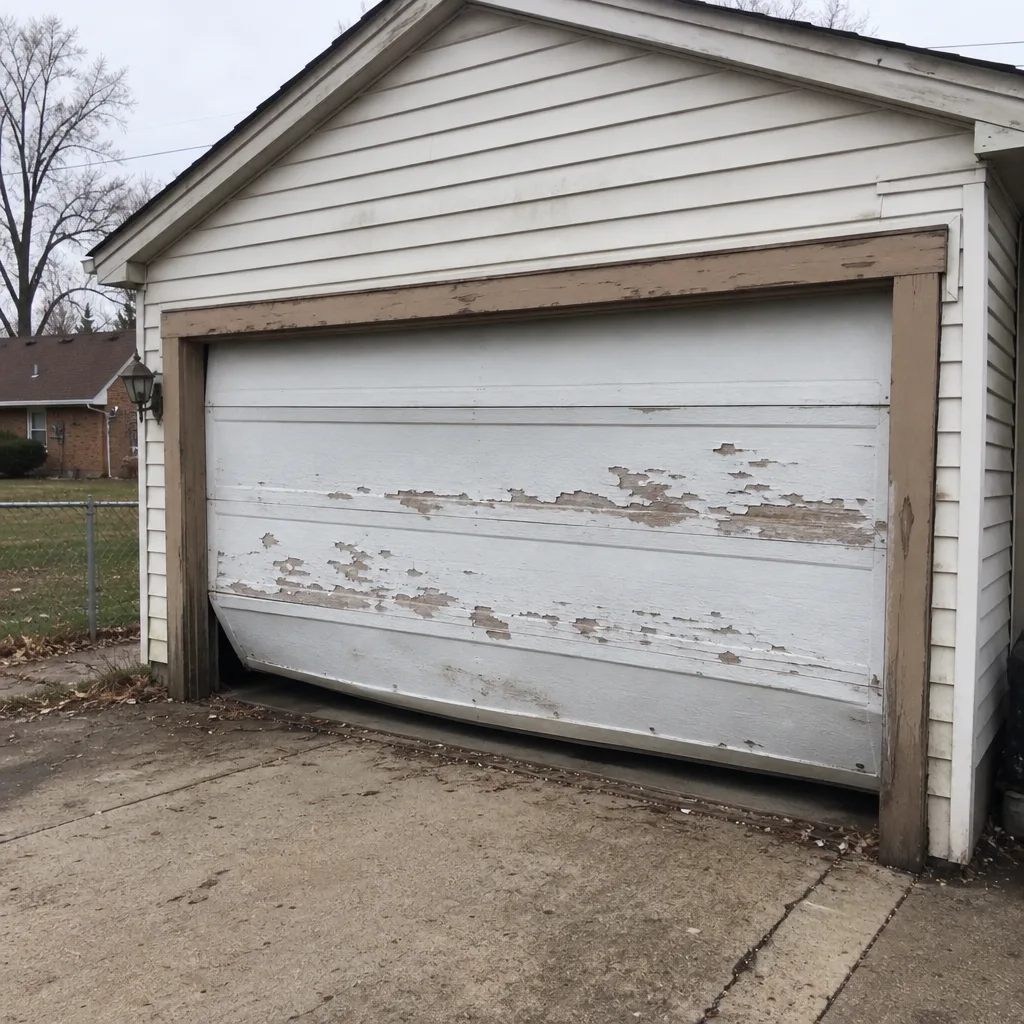 Before
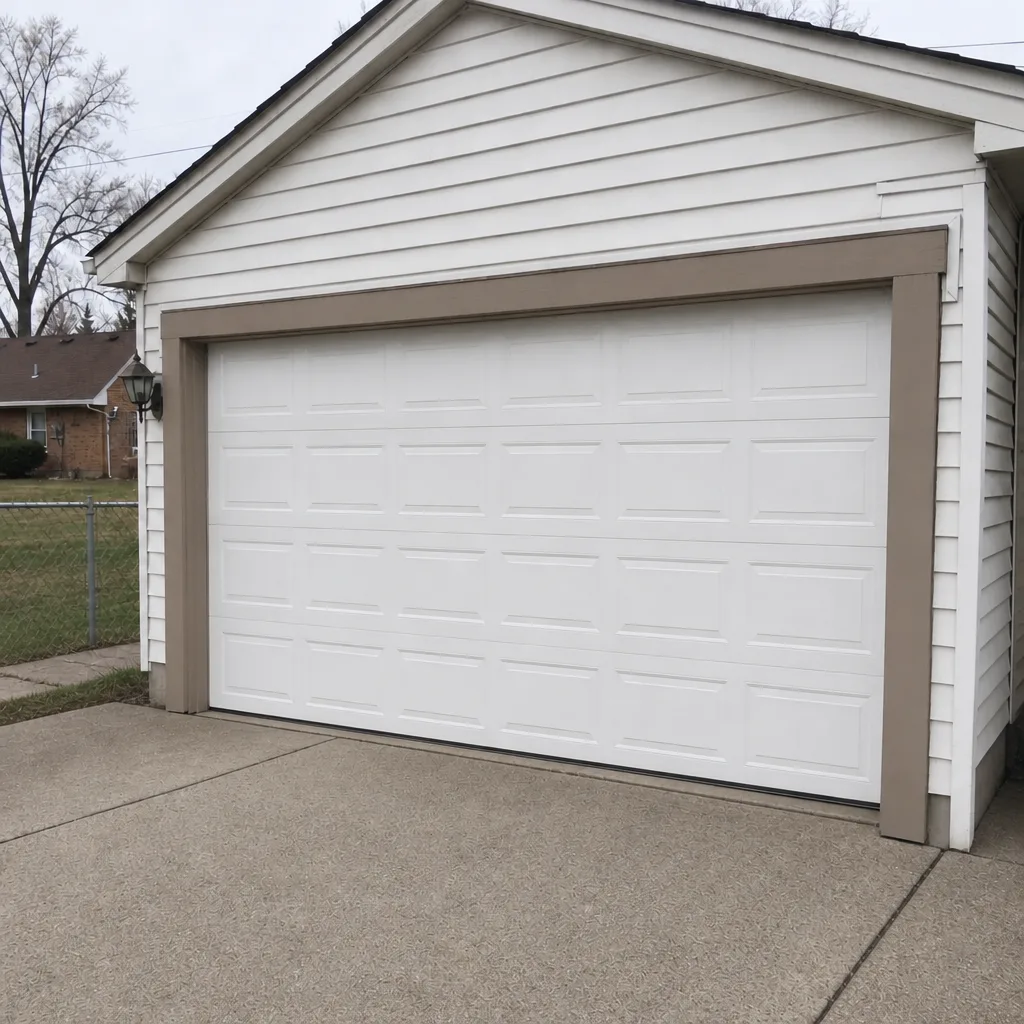 After
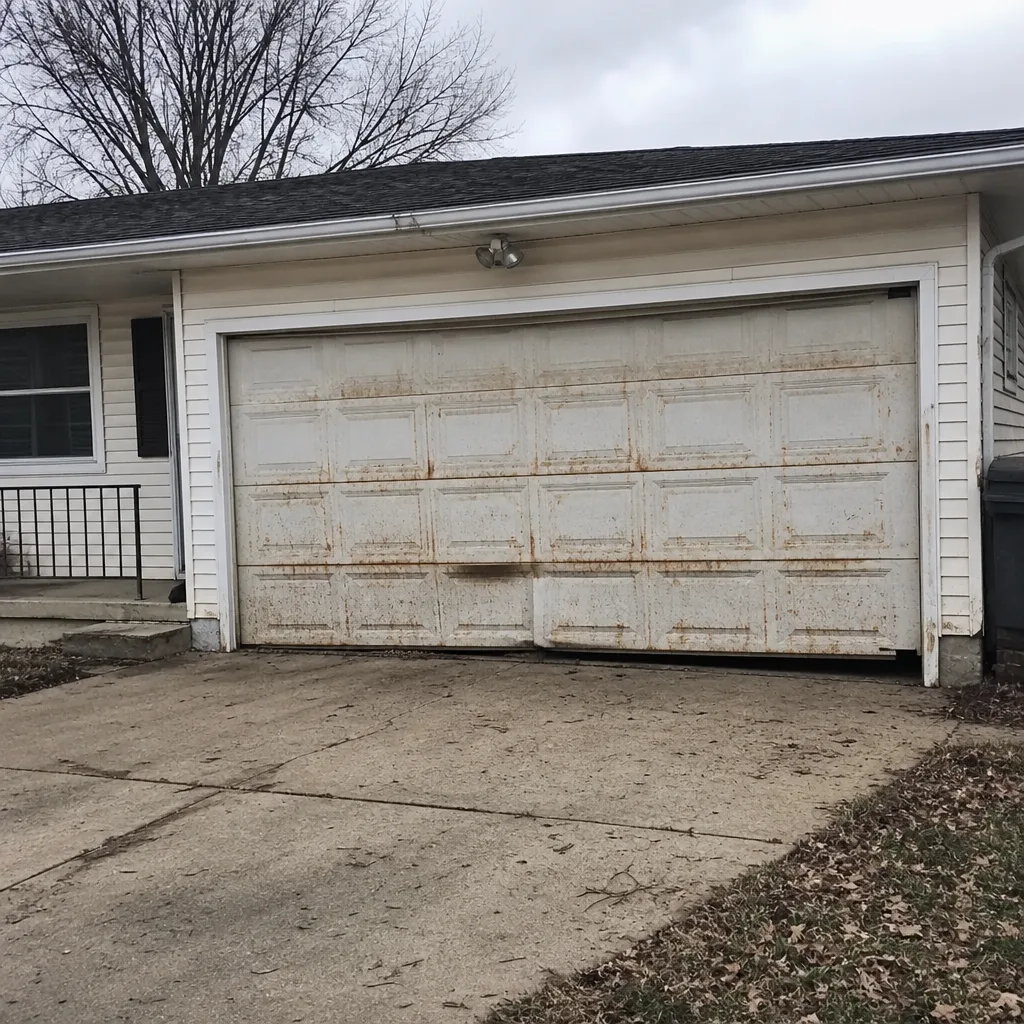 Before
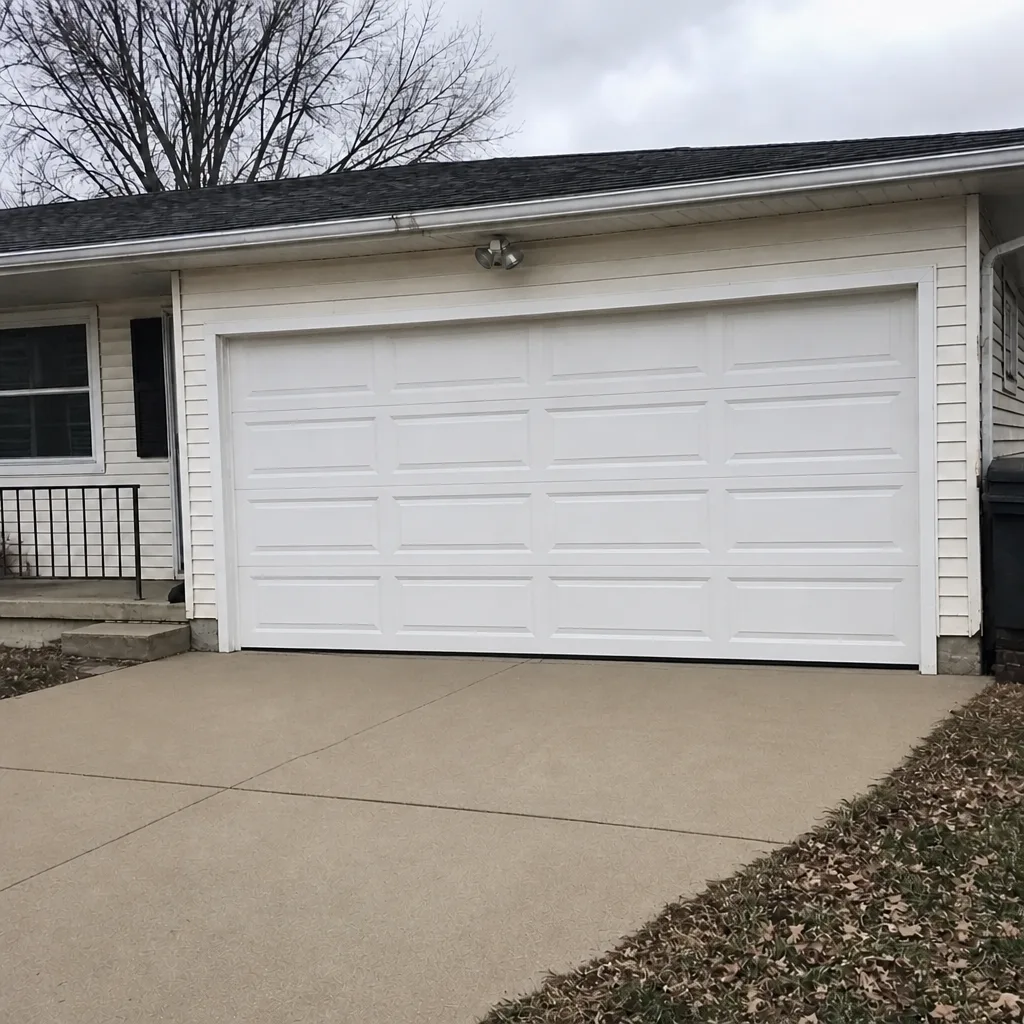 After
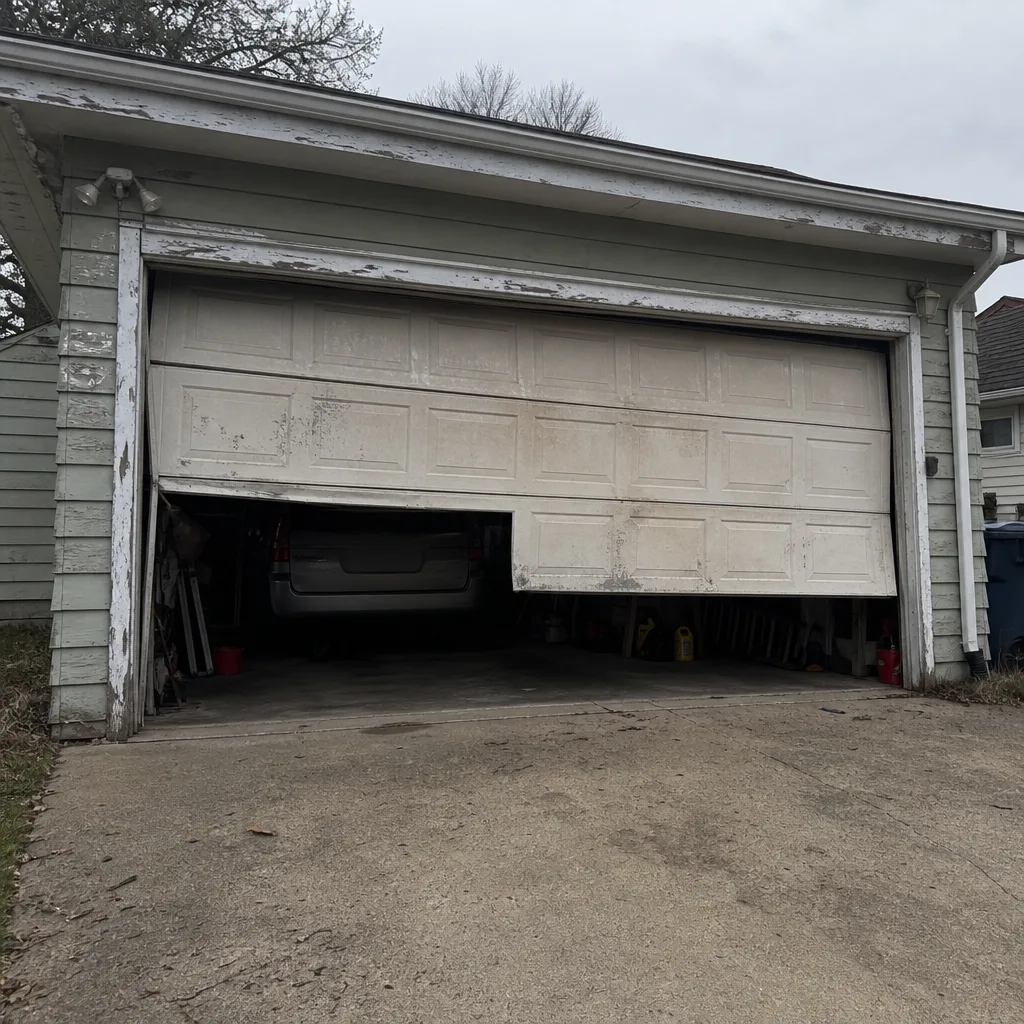 Before
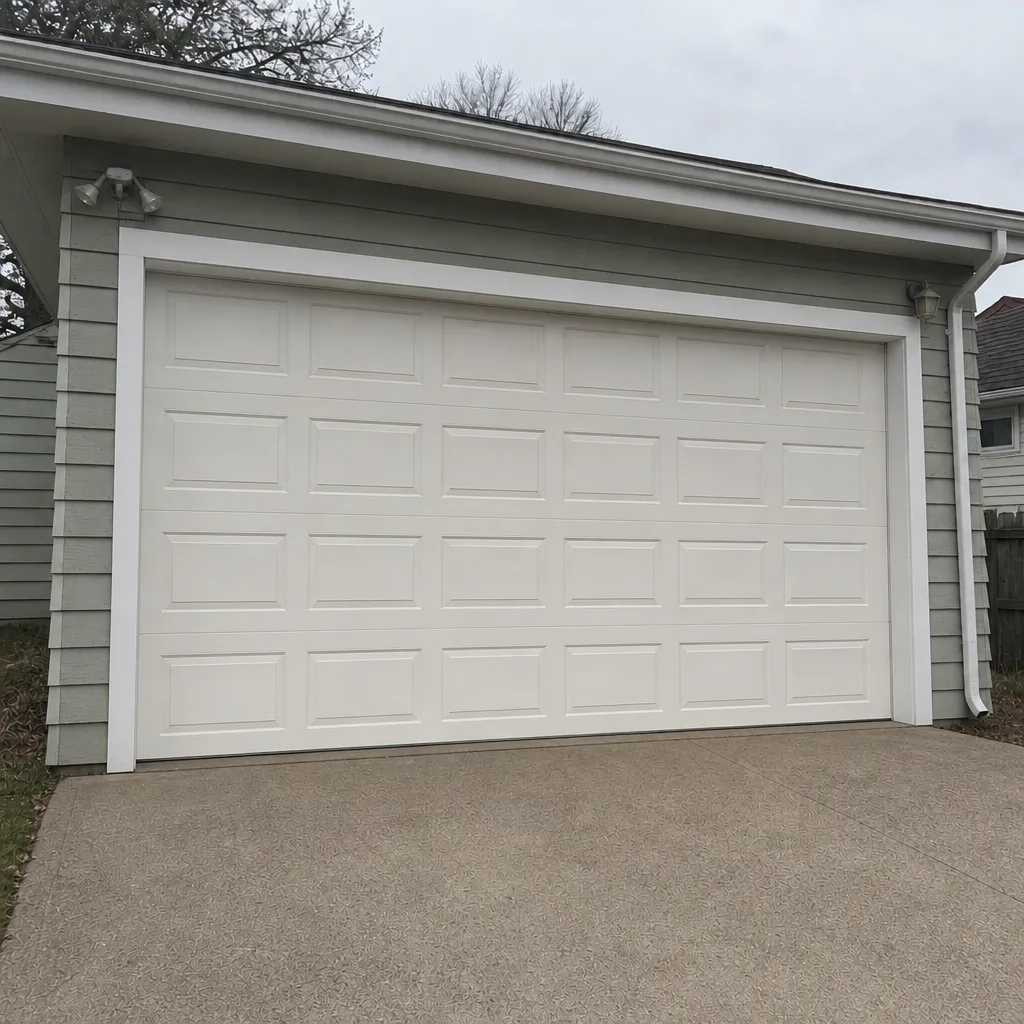 After
Frequently Asked Questions
Central Ohio winters break springs because dormant doors freeze to the floor and owners force the opener past its limits trying to break them free. The cold itself doesn’t usually snap the spring – the shock of a motor fighting a stuck door does. Keep the threshold clear, use the manual release when a door won’t move, and never hold the opener button. If a spring does fail, call (877) 330-4873 for an exact quote – estimates are free.
Keep the bottom seal in good condition, clear snow and ice from the apron in front of the door so meltwater drains away, and break any ice gently with warm water or a plastic scraper rather than a metal tool. A cracked or flattened seal lets moisture under the door, which is what freezes. If a worn seal needs replacing, a quick call before the freeze saves a winter of prying. Call (877) 330-4873 for a free estimate.
Yes, lifting by hand after pulling the manual release is the safe way to test a door that’s frozen – but only after clearing the ice first. Pull the red release cord, break the ice along the bottom seal gently, then lift the door a few inches by hand to confirm it’s free before reconnecting the opener. Never try to force a stuck door with the motor, and never wind or adjust springs or cables yourself.
No, the written estimate sets the final price – it’s quoted and agreed before any work starts. Any technician visit begins with a diagnosis, and you’ll see the price in writing before anything is done. If the problem turns out to need a different fix than expected, you’ll know before the work begins. Call (877) 330-4873 for a free estimate.
No, a door reversing on its own in humid weather is a sign of a balance or alignment problem, not a normal summer quirk. Wood panels swell in high humidity and can press against the frame, exceeding the opener’s force limit. Raising the sensitivity can mask the real issue, so check the door’s balance by hand first. Call (877) 330-4873 and we’ll diagnose it with a free estimate.
Most cities require a permit for structural changes like a new door installation, but simple repairs like replacing a spring or a roller usually don’t need one. Rules vary, so the safest step is to ask your city’s building department or have your contractor confirm it before work starts. Our team confirms permit requirements on installation jobs before scheduling.
The Bottom Line
Seasonal garage door care in Linden comes down to matching your maintenance to central Ohio’s weather. Inspect and lubricate before the first freeze in fall, replace worn weatherstripping and bottom seals while it’s still warm, keep the threshold clear of ice through winter so the door never freezes down, check tracks and cables for frost-heave damage during spring thaw, and watch wood panels and opener sensitivity through humid summer months. Two seasonal deep-checks plus a handful of quick monthly visual checks prevent most of the failures that show up as emergencies. When something involves a spring, cable, or bent track, hand it to a trained technician.
Written by the team at Linden Garage Door Repair Pros.