
Last updated November 20, 2026
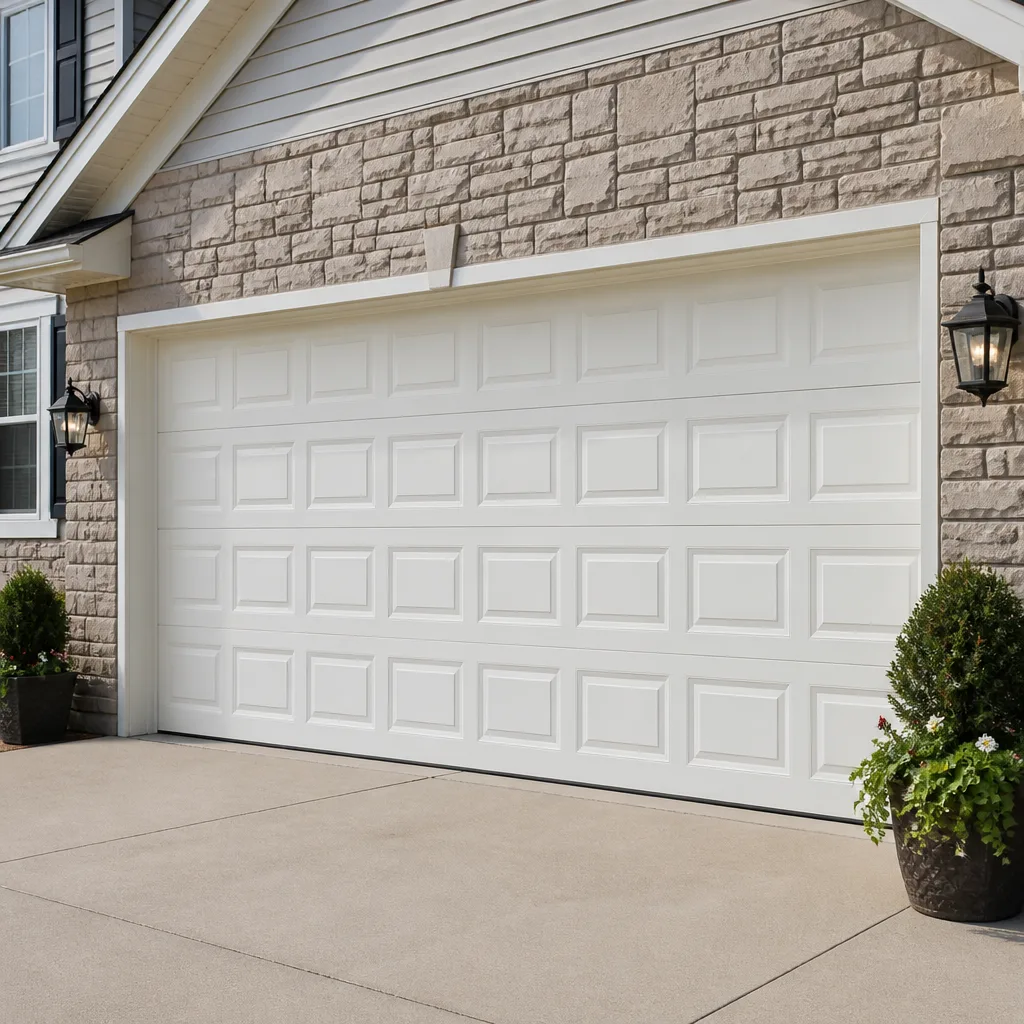 Raised-panel steel
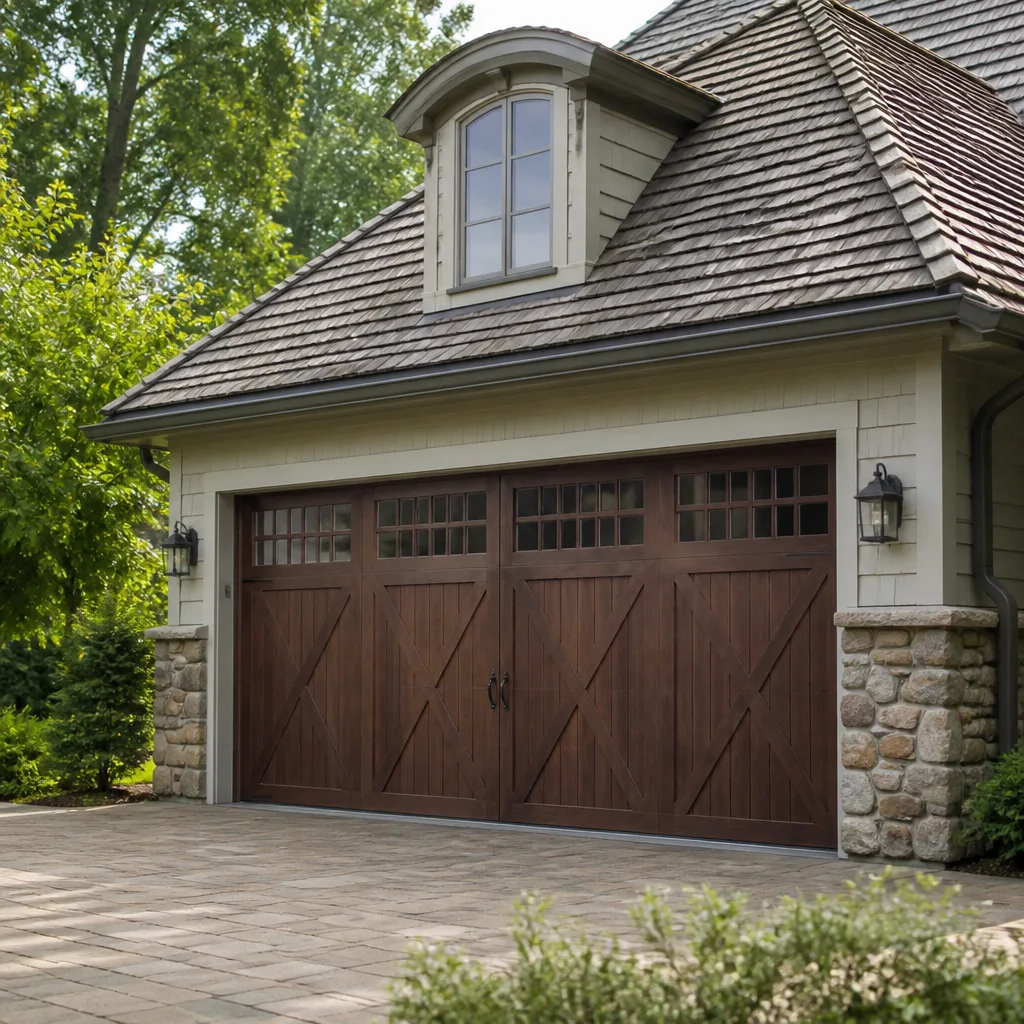 Carriage house
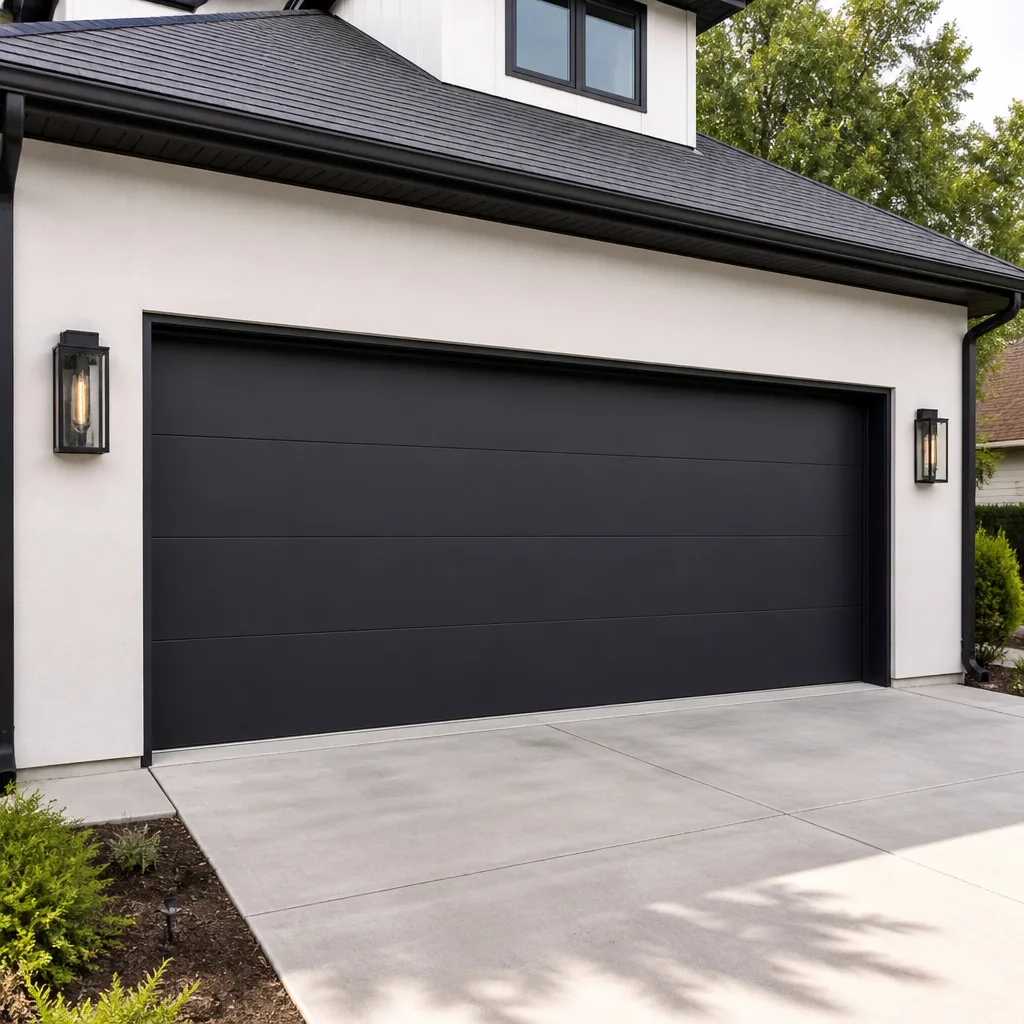 Modern flush
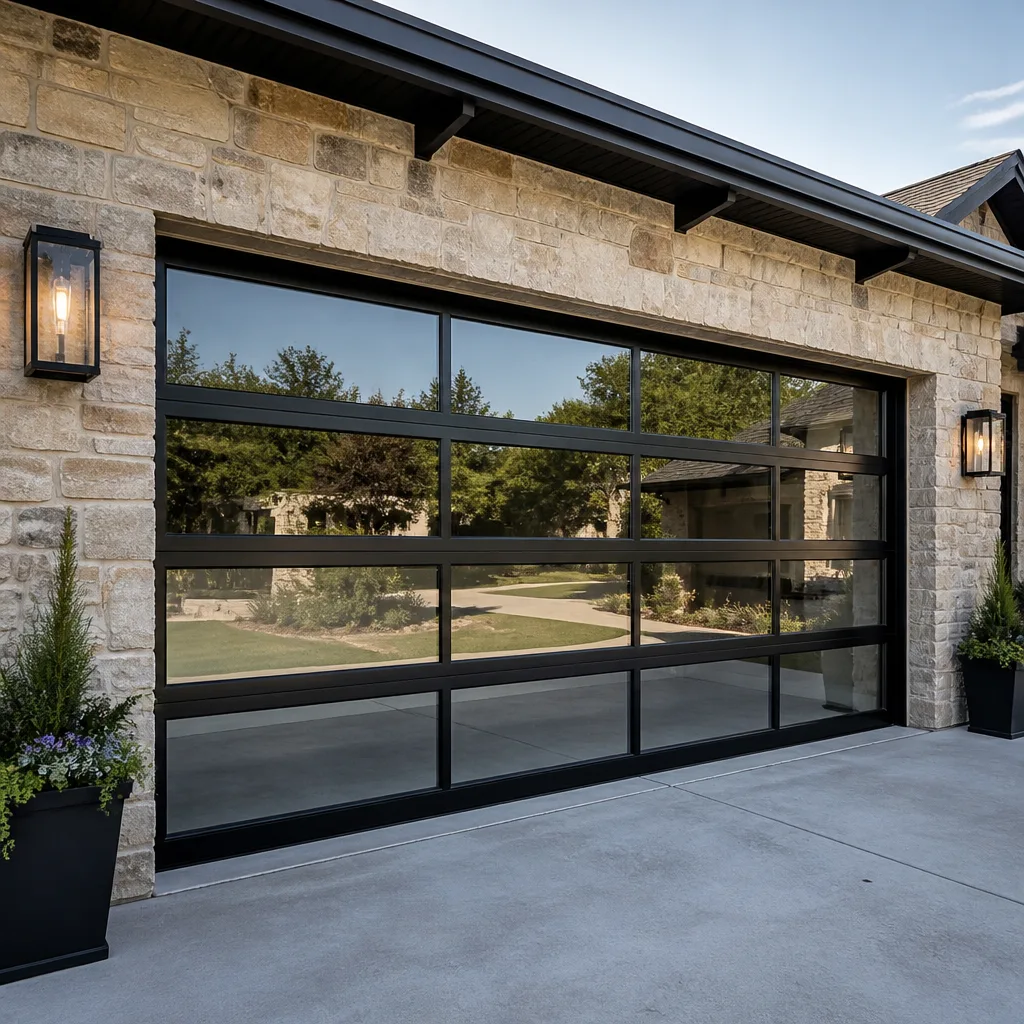 Full-view glass
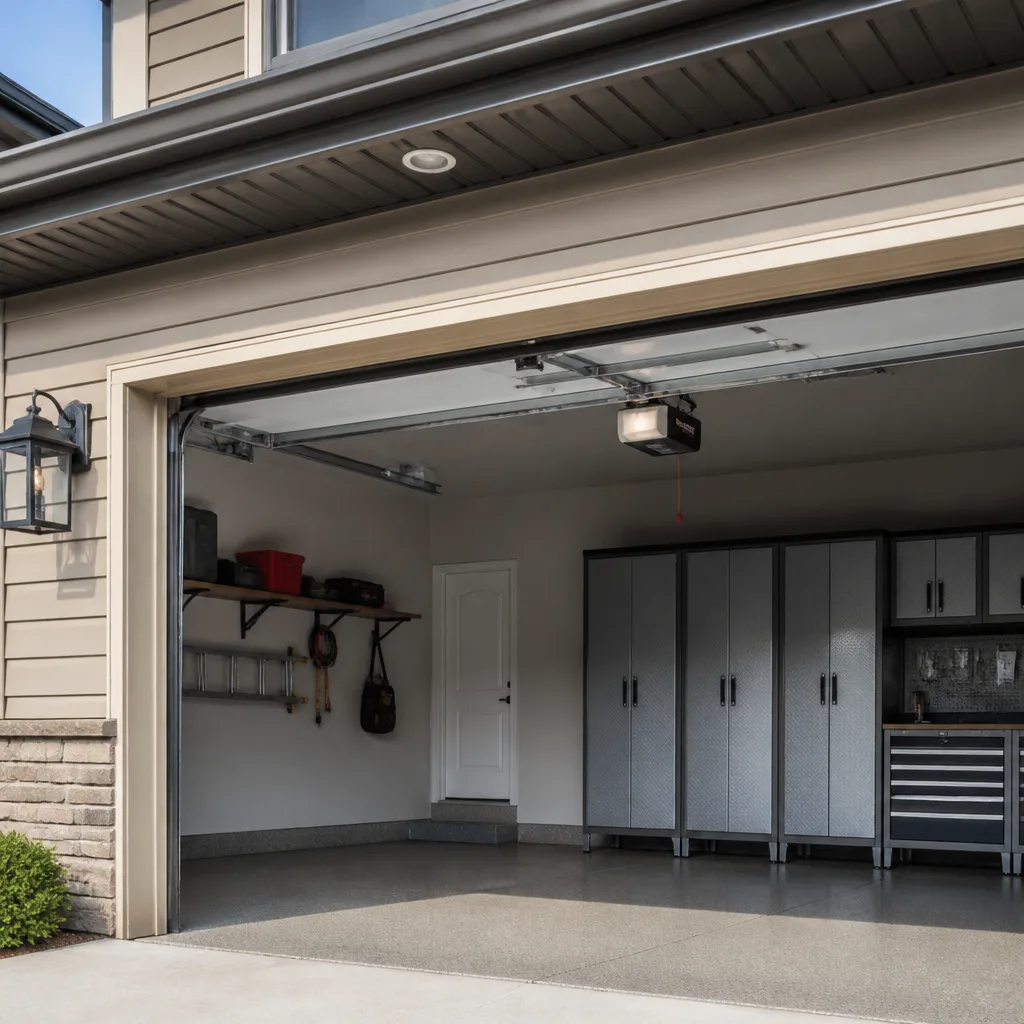 LiftMaster openers
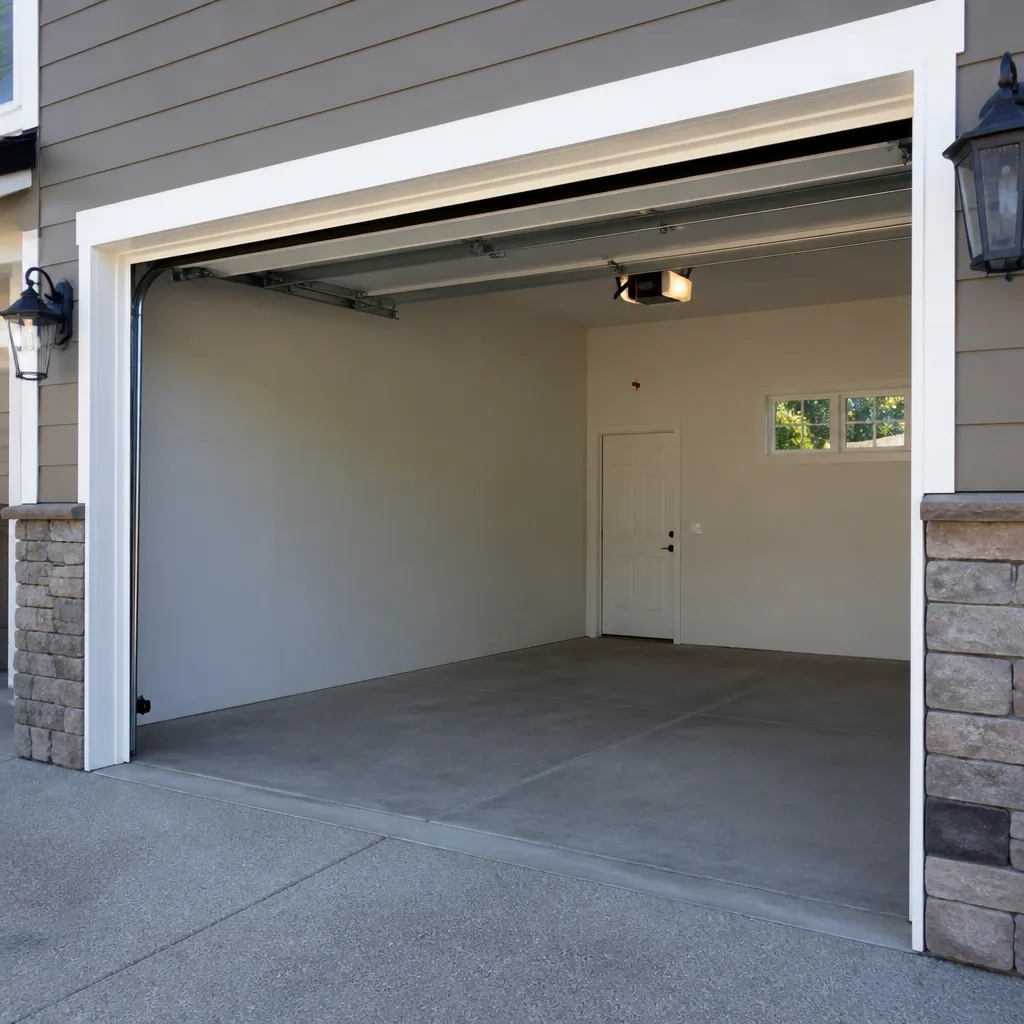 Chamberlain openers
Full 25-point door and opener safety check with every visit - springs, cables, rollers, tracks, and your LiftMaster or Chamberlain opener included
You get a price before we start. It does not change when the pro arrives.
Get your free estimateThe Complete Guide to Garage Doors in Linden
Most garage door advice you’ll find online is written by people who’ve never had their hands on a torsion spring. It treats the door as a decorating choice when it’s really a mechanical system with a load path, wear points, and a lifespan you can measure. In Linden, that matters more than usual. The ranch homes and split-levels that make up so much of this city’s housing were built with doors and openers designed for a shorter service life than anyone living in them now expects. This guide is organized the way a technician thinks about the problem: what breaks, why it breaks, what it costs to fix versus replace, and how Linden’s specific housing stock and climate shape every decision. By the end you’ll know how to read your own door’s symptoms.
Quick Answer
A garage door is a balanced mechanical system, and the springs carry its weight, so spring failure is the most common and most dangerous breakdown. In Linden, most calls come down to three decisions: repair the existing system (usually the right call on a door under 15 to 20 years old), replace the opener, or replace the door entirely when the panels and frame are too far gone. Brand-agnostic service, working on the equipment you already own, is almost always cheaper and faster than a dealer pushing a single product line. Get the system inspected before you decide anything.
Styles & brands we work with
- Raised-panel steel
- Carriage house
- Modern flush
- Full-view glass
- LiftMaster openers
- Chamberlain openers
Table of Contents
- The Mechanical Hierarchy of a Garage Door System
- How Linden’s Housing Stock Shapes Your Door
- The Brand Landscape in Linden Neighborhoods
- Repair vs. Replace: A Decision Framework
- What Garage Door Work Costs in Linden
- What “Full-Service” Really Means
- Spring Failure: Why It’s Urgent
- Keeping a Door Running in Linden’s Climate
The Mechanical Hierarchy of a Garage Door System
Start with the load path. A sectional garage door weighs somewhere between 130 and 350 pounds depending on width, insulation and material, and that whole weight is balanced by the spring system, not by the opener. The opener only moves the door; the springs carry it. Once you understand that hierarchy, every other symptom makes sense. The door feels heavy because the spring has lost tension. The opener strains because it’s lifting weight the spring should be holding. The door slams because the spring no longer counters gravity on the way down.
How the system stacks up
- Springs (torsion or extension) carry the door’s weight. They are the load-bearing heart of the system and the part that fails first.
- Cables, drums and tracks guide and transfer that load. A kinked track or a jumped cable puts uneven strain back on the spring.
- The opener supplies the push. It’s the smallest force in the whole system.
- Panels, hinges and rollers form the moving body. Each hinge and roller is a wear point that adds friction over time.
- Safety eyes and the bottom seal are the last line of defense, not the main mechanism.
We see this hierarchy misread constantly. A homeowner hears a grinding opener and assumes the opener is shot, when the real culprit is a tired spring forcing the motor to do work it was never built to do. Replacing the opener without fixing the spring just buys a second failure. The order of diagnosis never changes: springs first, then balance and travel, then the opener.
For a full rundown of what each of these parts does when it goes wrong, the garage door repair service covers the whole chain from spring to opener to panel.
How Linden’s Housing Stock Shapes Your Door
Linden is largely a city of ranch homes and split-levels built between 1960 and 1990, and that single fact drives more of the work here than anything else. The garages on those homes were sized to the cars of that era, and the doors built for them were engineered to a shorter expected lifespan than the homes themselves. A door installed when the house was new is now well past the designed service life of its springs and probably on its second or third opener. That’s normal, not neglect. It just means the system has to be read on its own terms.
Sizing and headroom challenges most guides skip
- Headroom clearance. Split-levels and some ranches have tight headroom above the door, which limits the type of torsion hardware and opener rail that will fit. A low-clearance setup needs low-clearance parts, and a generalist who doesn’t measure will order the wrong spring or rail.
- Door width and pattern. Older single-bay doors often came in widths and panel patterns that aren’t off-the-shelf today. That affects whether a damaged panel can be matched or whether a full door replacement makes more sense.
- Wall and anchoring conditions. A door installed against a home built in the 1960s may not anchor the way modern hardware expects. Mounting points and the condition of the framing behind them get checked before anything is hung.
- Track alignment through settling. Homes of this vintage have had decades to settle, and a slightly out-of-square opening throws off track alignment. That misalignment wears rollers and cables faster than normal.
None of this is a reason to panic about an older Linden home. It’s a reason to have the door measured properly before anyone quotes a repair or a replacement. An accurate measure is the difference between a job done once and a job done twice.
The Brand Landscape in Linden Neighborhoods
The brands you’ll find on doors and openers around Linden are fairly predictable, and knowing them matters because it tells us what parts to bring. On the opener side, Chamberlain and Genie show up most often, with LiftMaster and Craftsman close behind. On the door side, Clopay and Amarr are common, and Wayne Dalton and Raynor appear on plenty of the older installs. None of this is a knock on any one brand. It’s just the lay of the land, and it’s why a shop that works across eight brands serves a homeowner better than one locked into a single product line.
Why brand fluency shortens the job
When a technician recognizes the system before the truck even rolls, the visit changes. A specific opener model tells us what circuit board, gear set or belt and rail we’re likely dealing with. A specific door brand tells us how its panels are keyed together and which hinges and rollers it uses. That familiarity is what lets a repair happen on the first visit instead of turning into a parts order and a second appointment. It’s the difference between working on the brand you have versus working around it.
It also changes the diagnosis. A Genie opener that won’t reverse can be a travel-limit setting; a Chamberlain that won’t respond might be a wall control or an obstruction in the safety-eye circuit. The symptom looks similar. The fix is not.
Repair vs. Replace: A Decision Framework
This is the question homeowners actually call about, and it deserves a framework rather than a gut feeling. Repair is usually the right answer, because a garage door is a collection of serviceable parts and most failures are one or two of those parts. Replacement earns its place when the door’s structure or its long-term repair profile says so. Here’s how we weigh it.
Step 1: Check the door’s age and spring cycle count
Springs are rated in cycles, and each open-and-close is one cycle. A standard spring is built for a set number of cycles, and once it’s well into that range, the spring is near the end of its service life even if it hasn’t broken yet. On an older door, if the spring system has already been replaced once, you’re looking at a door in its second life. That’s fine. But if the door itself is 25 or more years old and one problem follows another, the math starts pointing toward replacement.
Step 2: Judge the panel damage
- One dented or cracked panel with a matching replacement available: repair. A single panel swap is the cheapest path.
- Scattered damage across multiple panels, or a pattern no longer available: replacement starts to win, because a mismatched patch job looks like one.
- Rusted or rotting bottom sections: check the frame and the springs. If everything else is tired, replacement is worth considering.
Step 3: Look at the frame and the tracks
If the tracks are bent, the framing behind the door is degraded, or the opening has settled out of square, the cost of correcting all of it can approach the cost of a new door and its hardware. This is where an honest measure matters. We’d rather tell you a repair won’t hold than sell you one and come back in six months.
Step 4: Decide with repair-first thinking
Our default is repair first, replace only when the evidence says so. A brand-fluent shop can source the right part for the door you already have, so replacement gets considered on its real merits, not because a dealer only stocks one product line. When replacement is genuinely the better value, we’ll say so plainly, and garage door installation covers what that job involves from measure to finish.
What Garage Door Work Costs in Linden
Pricing a garage door job is per job, by written estimate, and the written quote is the price. What we can give you are the typical ranges that show up across Linden, based on the housing stock here and what the work usually involves. These are estimates, not a firm number. Every door gets measured and quoted before any work starts.
Typical estimated ranges
| Service | Typical estimated range | Notes |
|---|---|---|
| Spring repair, one spring | $180 – $340 | One spring. A matched pair is usually replaced together, so a pair runs about twice that. |
| Opener repair | $120 – $320 | Depends on the fault: circuit board, gear set, belt or rail, or a safety circuit. |
| Panel replacement, single panel | $200 – $550 | Subject to matching the door brand and pattern. |
| Full door installation | $900 – $2,800 | Depends on door size, material, insulation and headroom. |
| Cable or roller repair | $150 – $400 | Often done alongside a spring replacement. |
Two things drive the number up or down. Headroom and sizing on an older Linden home can add complexity if the opening is out of square. A door width or panel pattern that needs a custom match adds cost too. The written estimate accounts for both before you commit, so there’s no surprise when the job’s done. For a deeper look at one of the most common call types, garage door opener repair walks through what a diagnosis involves.
What “Full-Service” Really Means
The phrase gets thrown around a lot, but it has a specific meaning when you’re standing in your driveway with a broken door. Full-service means one provider can diagnose the spring, repair the opener, source a matching panel, and quote a full install without handing you off to someone else mid-job. It means the technician who shows up recognizes your system and carries or can source the parts for it. That’s the standard we hold ourselves to: repair, opener repair, installation, spring repair, and parts, from one company with one point of accountability.
Brand-agnostic beats single-line dealer
A single-line dealer only sells what it stocks. That’s a fine business model, but it’s not what serves a homeowner who already owns a Clopay door on a Genie opener. A brand-agnostic shop reads the system in front of it and fixes or replaces only what’s actually broken. It doesn’t steer you toward a full replacement when a targeted repair will do, and it doesn’t quote you a new opener when the old one just needs a gear set.
That repair-first posture is also a safety posture. Spring failure and opener failure are two different problems with two different urgency levels, and treating them the same is how homeowners end up paying for something they didn’t need. If you want the full picture of what a specialist shop handles from diagnosis through completion, Linden Garage Door Repair Pros lays it out. The parts network matters too. Having the right spring, roller or panel on the way to you, instead of ordered from a third party and waited on, is what makes a single-visit repair the norm rather than the exception.
Spring Failure: Why It’s Urgent
When a spring breaks, the door stops being balanced. That’s not a small inconvenience. A broken torsion or extension spring means the full weight of the door is now sitting on the opener, the cables and the tracks, and any of those can fail under that load. It’s a stop-using-the-door situation. We treat spring work as its own specialty because it’s the one part of the system where the wrong tools and the wrong hands can cause serious injury. Torsion springs are under heavy tension even when the door is down, and that stored energy doesn’t care who’s standing under it.
What you might notice before a spring lets go
- The door feels much heavier when you lift it by hand (test gently, with the door closed and the opener disconnected, and only if you can do it safely).
- A loud bang from the garage, which usually means a spring has already snapped.
- A visible gap in the torsion spring coil, or a stretched extension spring hanging loose.
- The opener straining or the door reversing partway up.
If any of those show up, leave the door shut and call it in. Do not try to wind, unwind or replace a torsion spring yourself. That’s not a warning to be cautious; it’s a line you shouldn’t cross. A trained technician has the winding bars, the training and the procedure to do it safely, and that’s the only version of this job we’d stand behind. Our spring-repair capability exists precisely because it’s the most dangerous and time-sensitive failure in the system.
Keeping a Door Running in Linden’s Climate
Linden’s climate is the classic hot-and-cold Midwest pattern: humid summers, cold winters, and a swing between the two that works on a garage door every year. Metal expands and contracts with the temperature, wood components take on and give off moisture, and the seals at the bottom and sides take the worst of it. None of that is dramatic, but it’s cumulative, and it’s why a door that felt fine in October can feel stiff and loud by February.
A seasonal check you can actually do
- Listen to it. A grinding, squeaking or rattling door is telling you something is dry, loose or worn.
- Watch the travel. The door should open and close smoothly and evenly. A wobble or a sudden lurch points to a track, roller or spring issue.
- Test the safety reverse. Put a small object in the door’s path and confirm the door reverses. This is the one safety check worth repeating seasonally.
- Look at the rollers and hinges. Worn rollers and dry hinges add friction that the opener and springs have to fight.
What you shouldn’t do yourself is adjust the springs. Balance and tension are a technician’s job. What you can do is keep the door clean, keep the tracks clear of debris, and pay attention to changes in sound and feel. Catching a worn roller early is cheap; catching a failed spring late is not.
Common Mistakes to Avoid
- Replacing the opener when the spring is the problem. A strained motor usually isn’t the failing part. Fix the spring first or you’ll be buying openers repeatedly.
- Winding a torsion spring yourself. This is the mistake that causes real injuries. Leave the springs to a technician with the correct winding bars and training.
- Letting a dealer talk you into a full replacement on a repairable door. A single panel or one bad spring doesn’t justify a new door. Ask what the targeted fix is.
- Skipping the measure on an older Linden home. Tight headroom and out-of-square openings on ranches and split-levels catch generalists out. Measure before you order.
- Ignoring a small panel dent until it spreads. A single matched panel is a cheap fix. A door with three mismatched panels usually isn’t.
- Using a generalist handyman on a spring or opener. The equipment is brand-specific and the work is safety-critical. A specialist reads the system; a handyman guesses at it.
- Letting a broken spring sit. Continuing to run the door on a failed spring puts the weight on the opener and tracks, which turns one repair into two.
See the difference
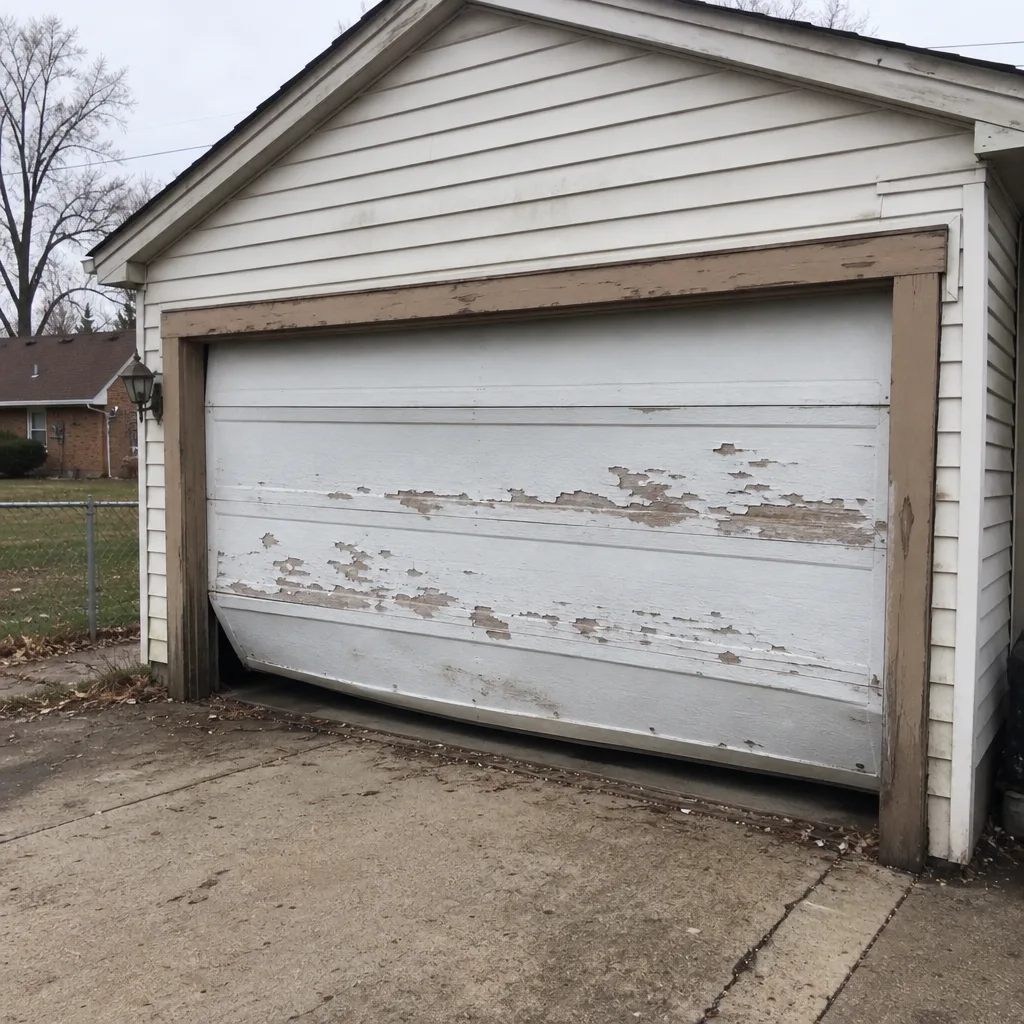 Before
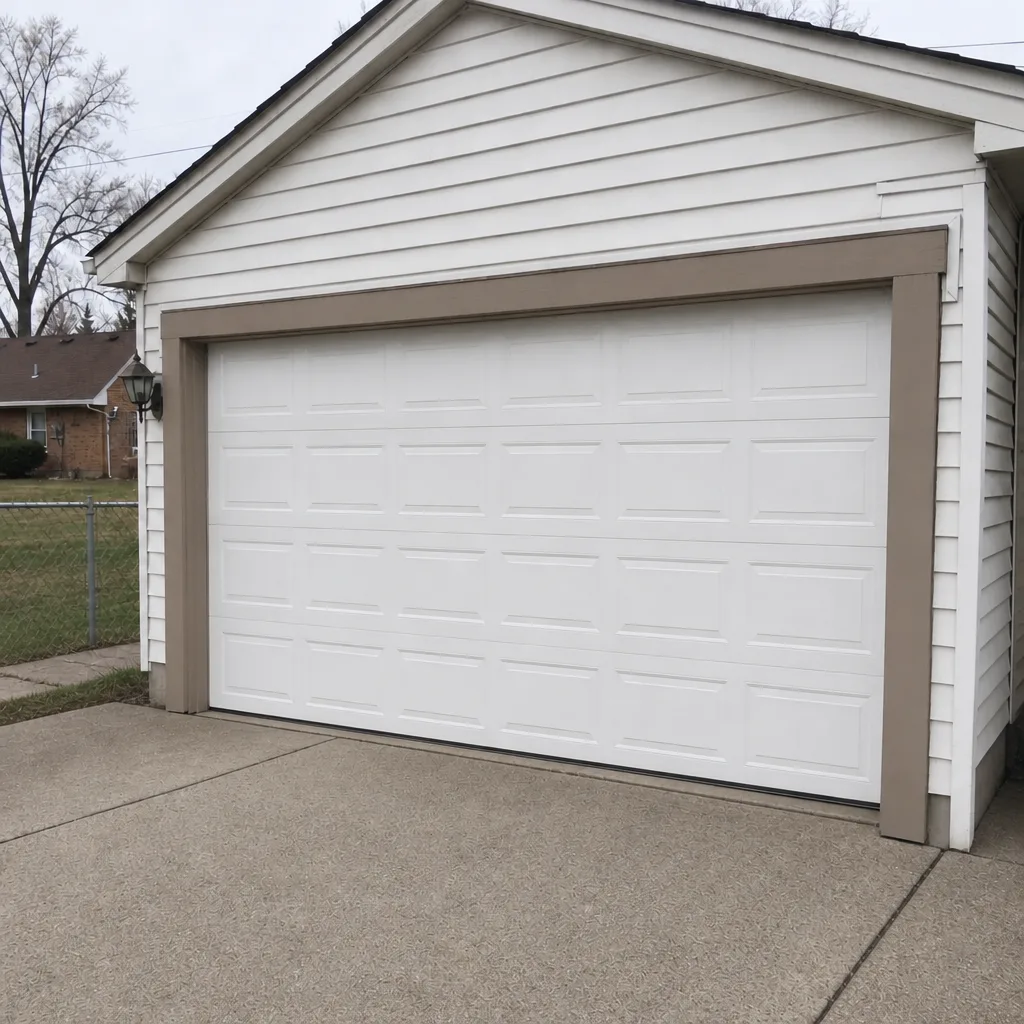 After
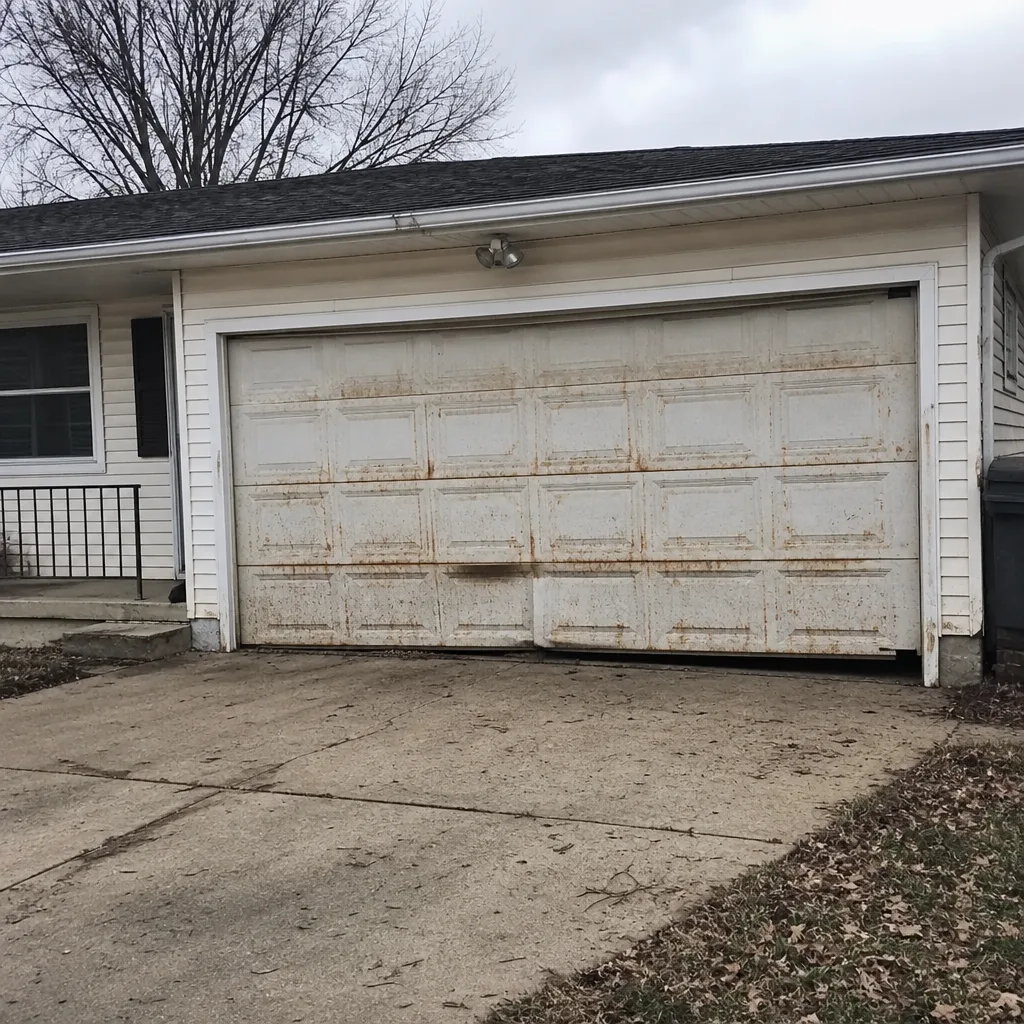 Before
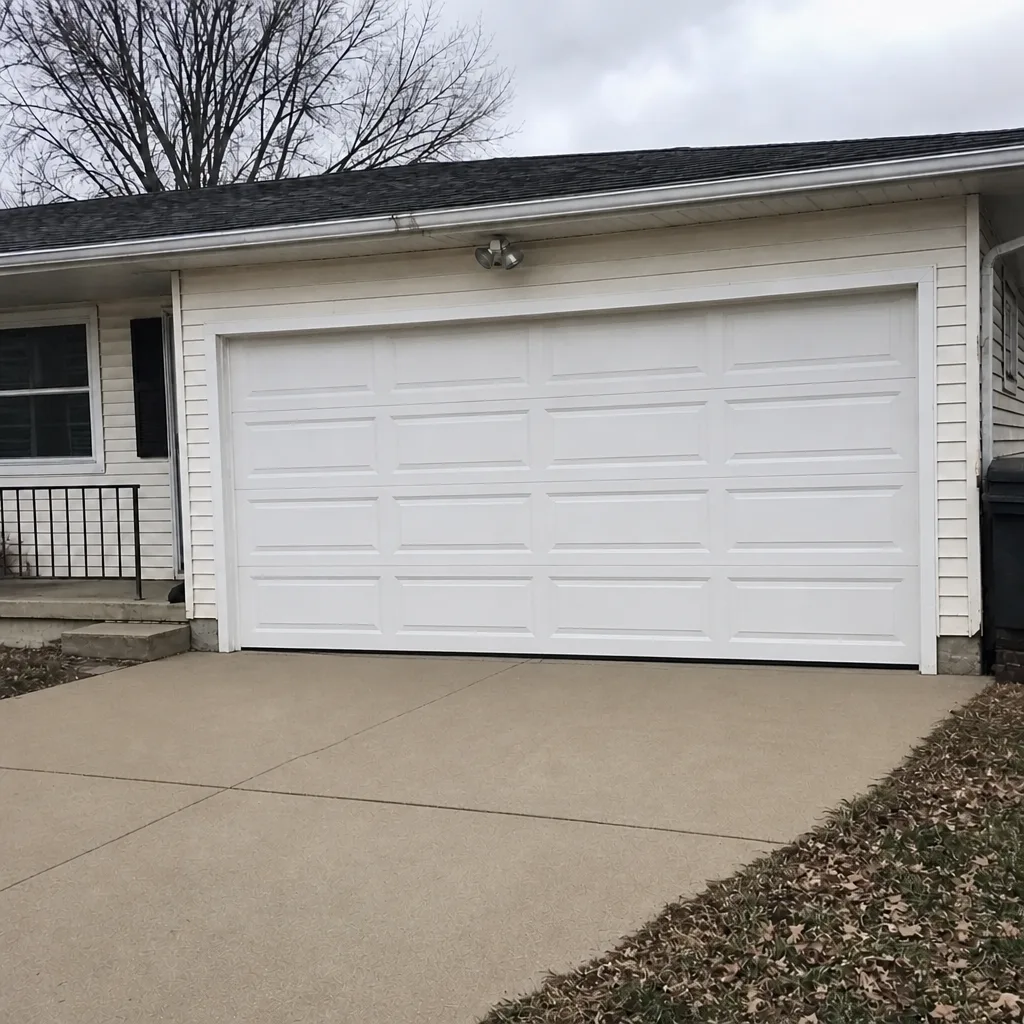 After
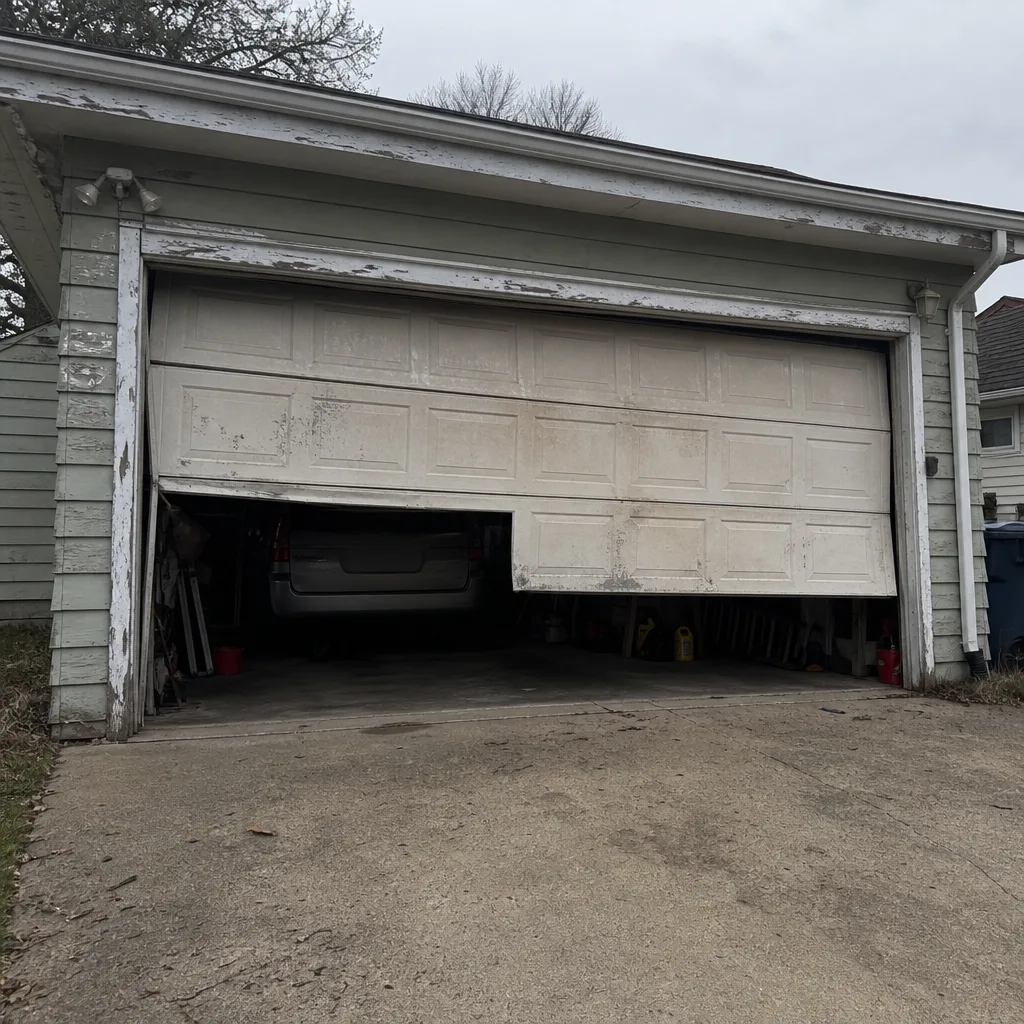 Before
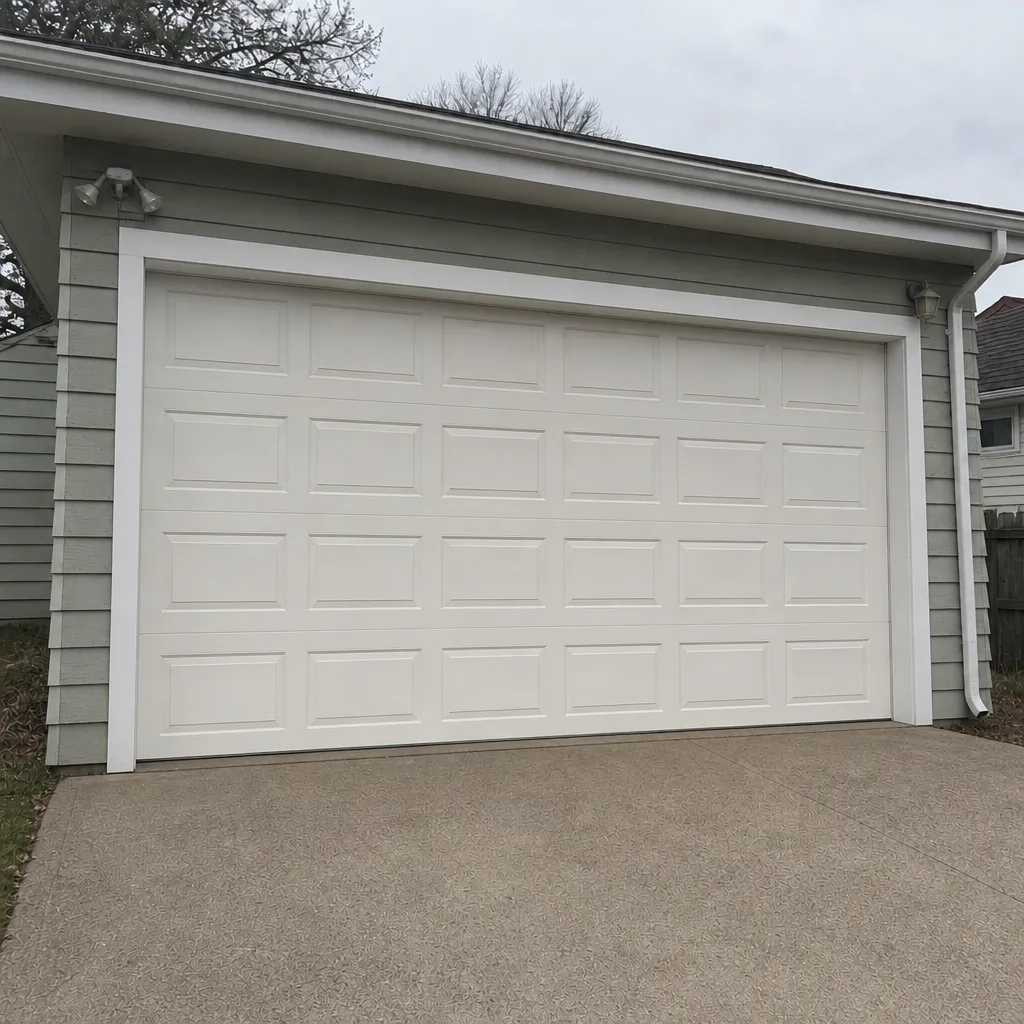 After
When to Call a Professional
Call when the door makes a loud bang, when it won’t stay balanced, when the opener strains or reverses for no clear reason, when a cable is loose or frayed, or when a panel is damaged badly enough to compromise the door’s structure. Call if the door feels much heavier than it used to. Call if you’ve already replaced the opener once and the door still misbehaves. And call before you attempt anything involving the springs or the electrical side of the opener. Those are the jobs where a trained technician with the right tools and the right parts makes the difference between a fix and a hazard. We answer 24/7. Fast dispatch, 7am-7pm, Sunday through Friday. Linden Garage Door Repair Pros offers free estimates in Linden. Call (877) 330-4873.
Frequently Asked Questions
Spring repair in Linden typically runs $180 – $340 for one spring, and a matched pair is usually replaced together, so a pair costs about twice that. The written estimate sets the final price, and the price is quoted and agreed before any work starts. Call (877) 330-4873 for an exact quote. Estimates are free.
Many garage door and opener repairs can be handled the same day, especially when the parts are on hand for the brand you own. We answer 24/7. Fast dispatch, 7am-7pm, Sunday through Friday. A call outside dispatch hours is booked into the next opening, Sunday through Friday, 7am to 7pm. Call (877) 330-4873 and we’ll tell you what’s possible.
No. The written estimate is the price, and it’s quoted and agreed before any work begins. If something unexpected turns up during the job, we stop and talk to you before adding anything. Call (877) 330-4873 for a free estimate.
The local pro we connect you with is licensed and insured as their state requires, and our technicians have up to 13 years of experience. They arrive familiar with the major brands, including Chamberlain, Genie, Clopay and Amarr. Call (877) 330-4873 to get started.
Repair is usually the right call on a door under 15 to 20 years old when the damage is limited to a spring, a panel or the opener. Replacement makes more sense when the door is well past that, when panels can’t be matched, or when the frame and tracks are also failing. The decision comes down to age, spring cycle count and how much of the door is actually damaged. Call (877) 330-4873 for a free estimate and a straight answer.
Yes. We work on eight major brands, including LiftMaster, Chamberlain, Genie, Clopay, Amarr, Wayne Dalton, Craftsman and Raynor, so the visit is focused on repairing your system, not selling you a new one. If a targeted fix will solve it, that’s what we recommend. Call (877) 330-4873 to book a free estimate.
The Bottom Line
A garage door is a balanced mechanical system, and the springs are its heart. Understand that hierarchy and every decision gets clearer: repair the parts that carry the load before you replace the opener, fix a single panel before you replace a door, and measure an older Linden home properly before ordering anything. Linden’s ranch and split-level housing puts specific demands on headroom and sizing that a generalist often misses. Brand-agnostic service, with parts on hand and technicians who know your equipment, is the shortest path from a broken door back to a working one. When the work involves springs or the electrical side of an opener, stop and call a professional.
Call (877) 330-4873 for a free estimate. We answer 24/7. Fast dispatch from 7am to 7pm, Sunday through Friday.
Written by the team at Linden Garage Door Repair Pros.