
Last updated November 20, 2026
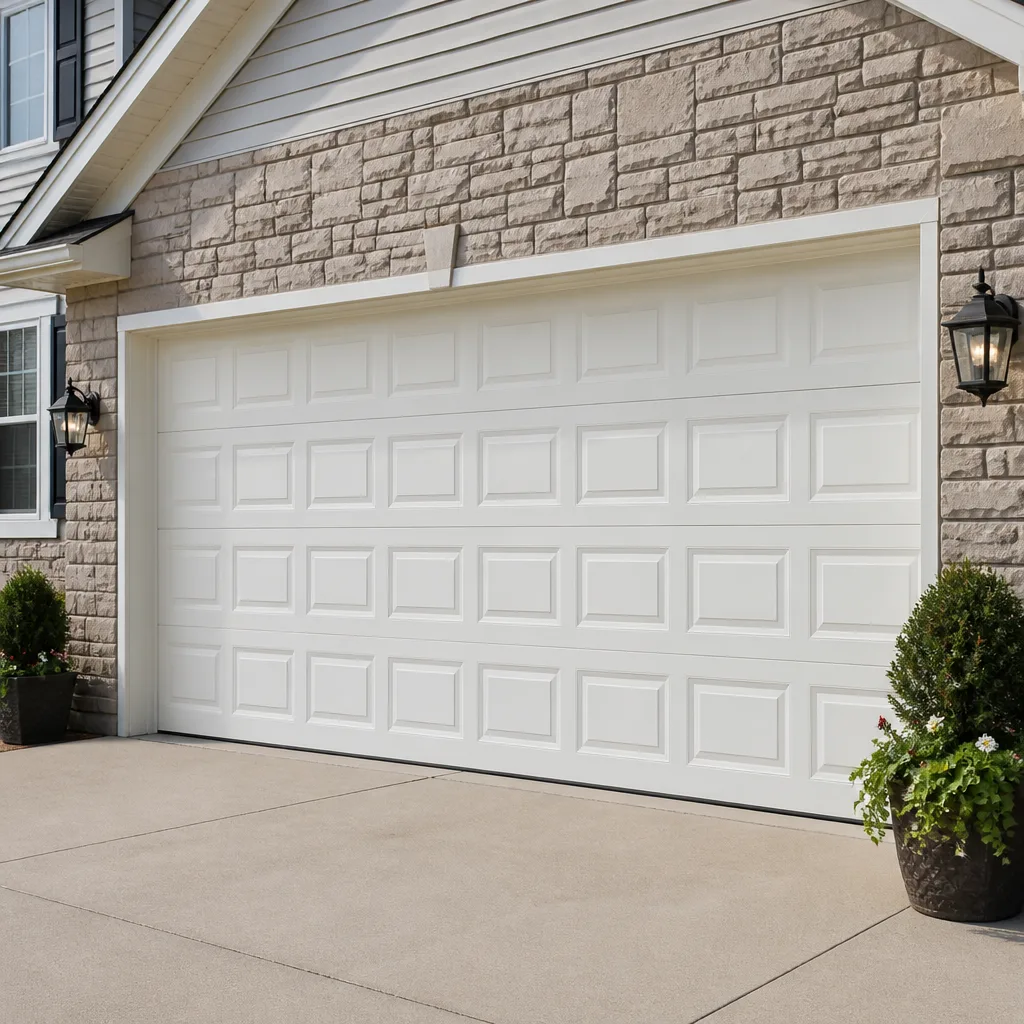 Raised-panel steel
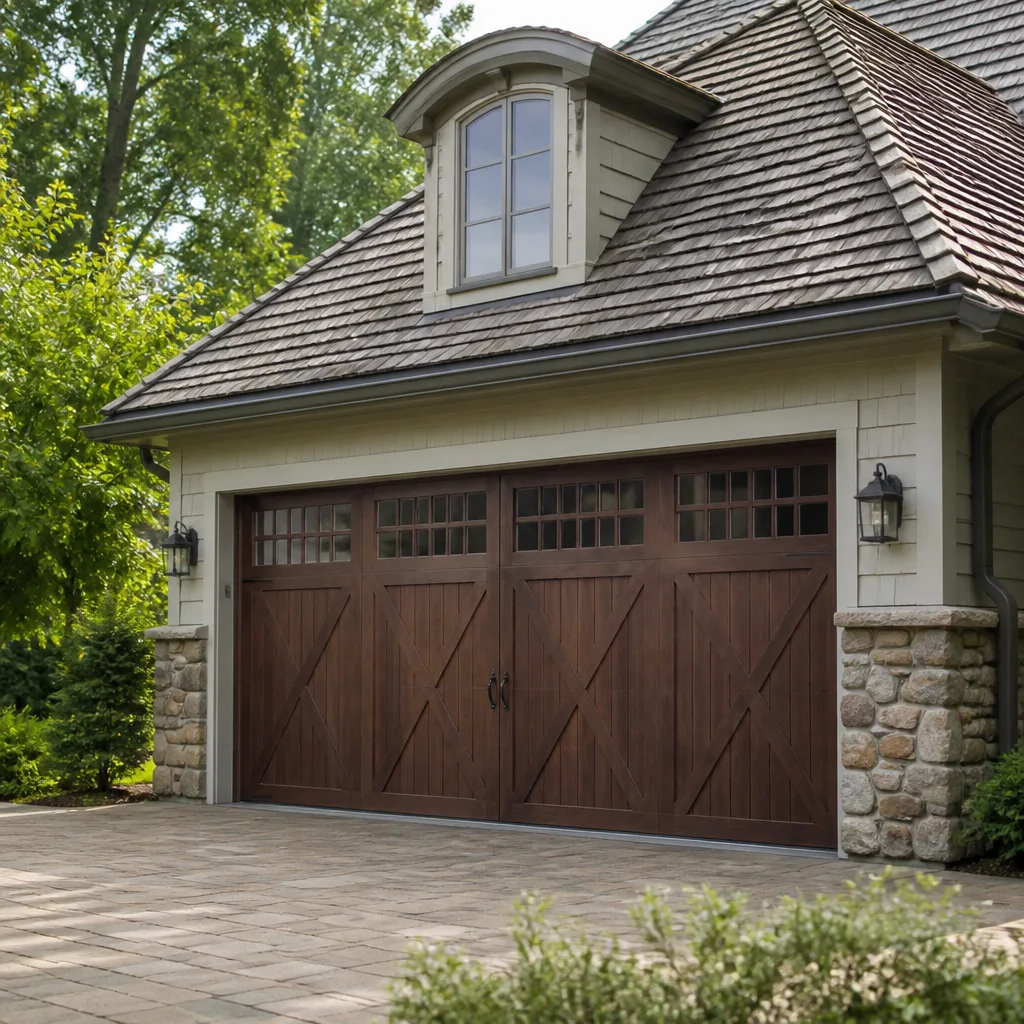 Carriage house
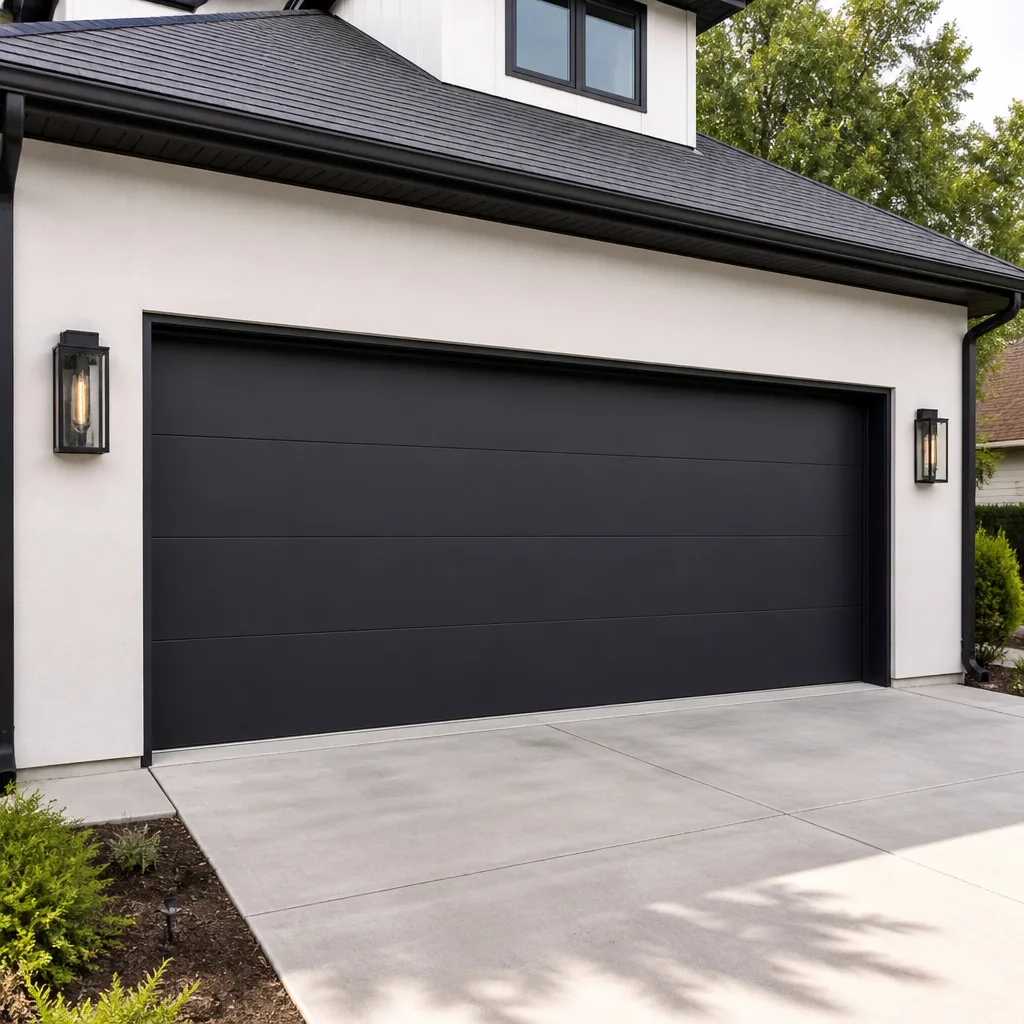 Modern flush
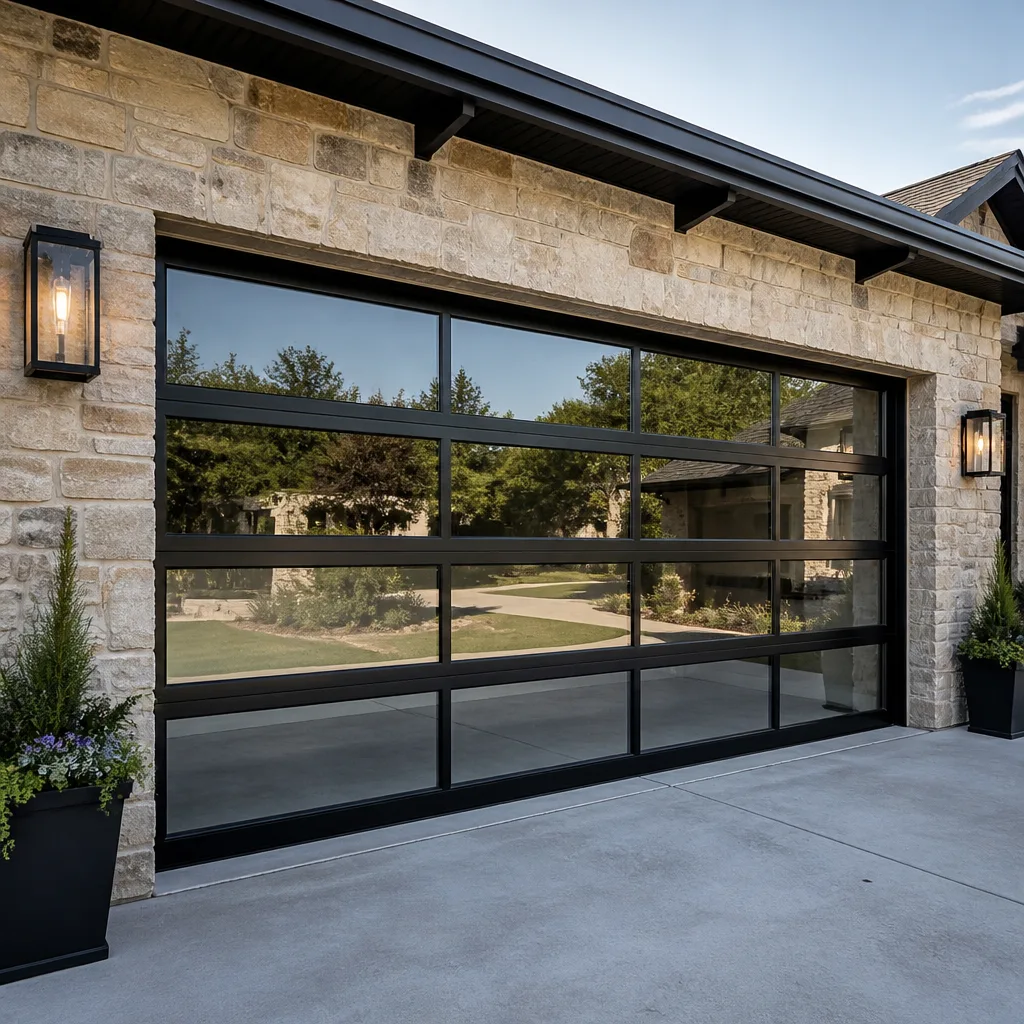 Full-view glass
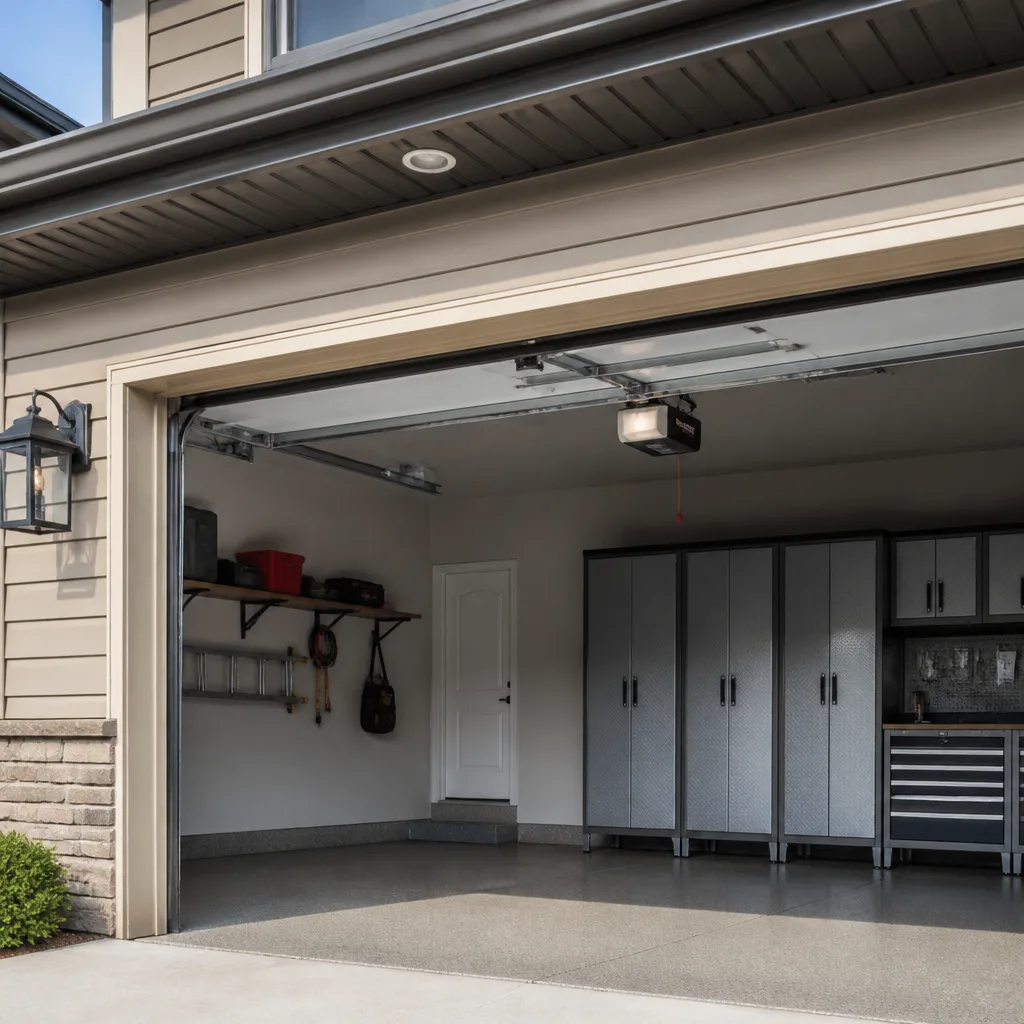 LiftMaster openers
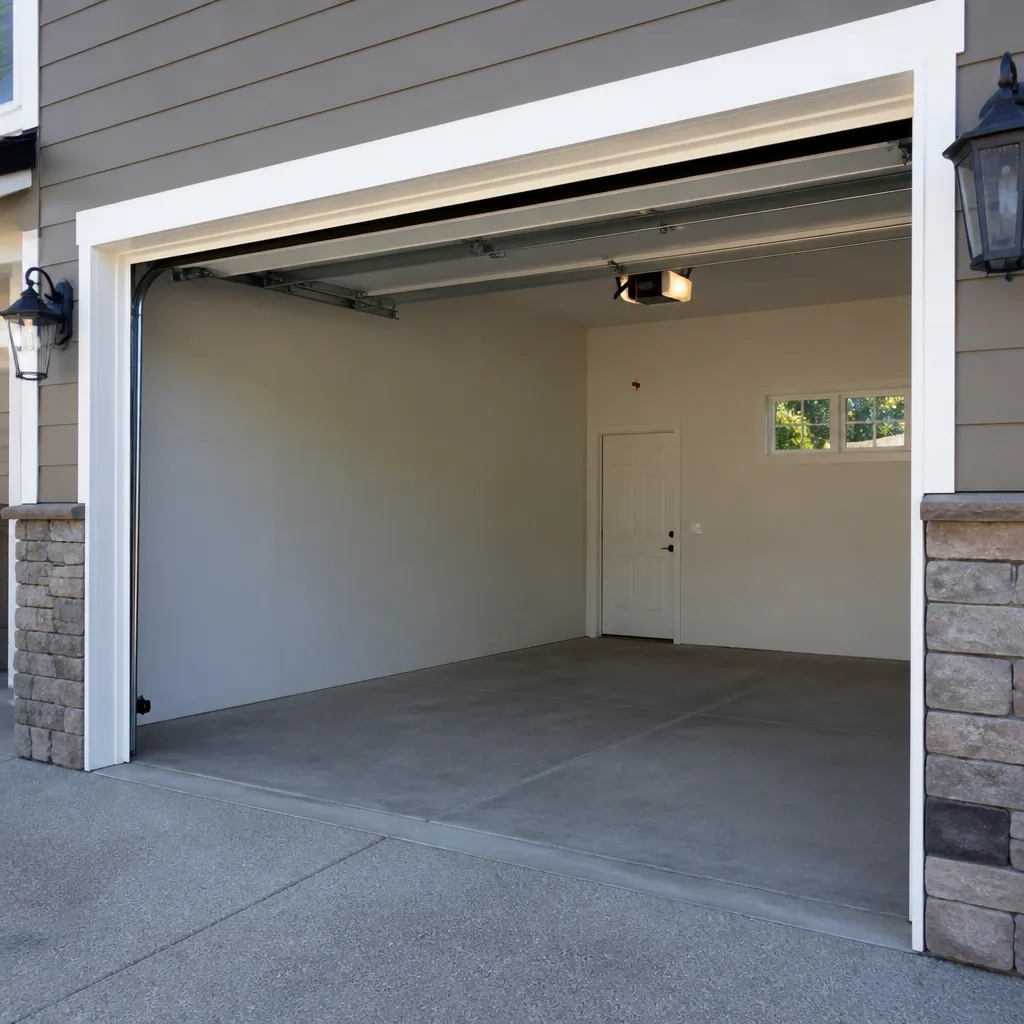 Chamberlain openers
Full 25-point door and opener safety check with every visit - springs, cables, rollers, tracks, and your LiftMaster or Chamberlain opener included
You get a price before we start. It does not change when the pro arrives.
Get your free estimateGarage Door Permits, Codes & Inspections in Linden, OH: What You Need to Know
Most homeowners assume that anything attached to their house needs a permit. And plenty assume the opposite, that a garage door is just hardware and nobody cares what you do with it. Both are wrong in different ways. The truth in Linden sits in a narrow gray zone: swapping an opener is almost never a permit job, but cutting a new opening or reframing a header almost always is. Mix those up and you can end up with unpermitted work that surfaces years later at resale. This guide walks through what actually triggers a permit in Ohio, how to check the rules for your address in Linden, what inspectors look for, and how to fix a permit problem you inherited.
Quick Answer
In most Ohio jurisdictions, replacing a garage door opener or a like-for-like door in the same opening does not require a permit. Installing a new door on a structural opening, altering framing, cutting a new opening, or running a new electrical circuit to the opener almost always does. The rules vary by jurisdiction, so the only reliable answer for a specific address in Linden comes from the local building department.
Styles & brands we work with
- Raised-panel steel
- Carriage house
- Modern flush
- Full-view glass
- LiftMaster openers
- Chamberlain openers
Table of Contents
- What Work Actually Requires a Permit in Ohio?
- What Garage Door Work Doesn’t Need a Permit?
- How Do You Check Permit Requirements for a Linden Address?
- What Does an Inspector Look For on a Garage Door Job?
- The Electrical Question: New Circuits and Opener Wiring
- What Happens at Resale With Unpermitted Garage Door Work?
- How Unpermitted Work Affects Homeowner’s Insurance
- You Inherited Unpermitted Work. What Now?
What Work Actually Requires a Permit in Ohio?
A permit is tied to the structure and the electrical system, not to the door itself. If the work changes the building envelope, the framing, or the electrical supply, expect a permit. If the work simply replaces a component in the same place, expect not to need one.
The scope-of-work triggers we see on garage door jobs in Ohio fall into three buckets:
- New openings or enlarged openings. Cutting a new garage door opening into a wall, or widening an existing one, changes the structural frame of the house. That’s a permit and, in most cases, an engineered header.
- Structural header work. Any time the framing above the door is modified, reinforced, or replaced, the job usually crosses into permit territory because the header carries load from above.
- New electrical circuits. Running a brand-new circuit from the panel to feed an opener is electrical work, and that’s a separate permit in most Ohio jurisdictions. Tapping into an existing opener circuit to swap a unit usually isn’t.
Everything else is a judgment call made by your local building department. A door replacement in the same opening with the same dimensions, with no framing changes and no new wiring, typically lands on the no-permit side. But there are exceptions, particularly with older homes in Linden where the original opening may not meet current requirements, and where an inspector may want to see the new door hung and tested before signing off. When in doubt, the call to the building department costs less than a fix later.
One more thing to keep straight: fire-rated doors between an attached garage and the house are a separate matter from the overhead door. If work touches the fire separation wall, ask the building department specifically about that piece before anyone cuts.
What Garage Door Work Doesn’t Need a Permit?
Most of the calls we get in Linden don’t involve a permit at all. Repair and replacement of existing components is the majority of the work, and it rarely touches structure or the electrical system in a way an inspector would need to see.
Work that typically doesn’t require a permit:
- Replacing a broken torsion or extension spring, cables, rollers, hinges, or drums.
- Replacing a garage door opener with a new unit on the existing circuit and existing mounting.
- Replacing a door with a same-size door in the same opening with no framing changes.
- Replacing a single panel or section.
- Replacing weatherstripping, bottom seals, or trim.
- Adjusting track alignment or travel limits.
Replacing one panel on a door from Amarr or Wayne Dalton is a good example. It’s a repair, not a construction project. No new opening, no new framing, no new circuit. Nobody at the city needs to see it. If a job falls into this category, we’ll say so. If it’s borderline, we’ll tell you the boundary and let you decide whether to call the building department first.
The reverse also matters: if a repair reveals something bigger, like a rotted header or a track that has pulled away because the framing behind it is compromised, that can turn a repair into structural work. At that point, the permit question reopens and the honest answer is to stop and check.
How Do You Check Permit Requirements for a Linden Address?
The city of Linden and the surrounding Franklin County jurisdictions each handle permits through their own building departments, and the process is straightforward once you know the steps. The trick is doing it before the work starts, not after.
- Identify the jurisdiction. Linden is in Franklin County, but the specific address determines which building department has authority. If the property is inside a municipality, that city’s building department handles it. If it’s in an unincorporated area, Franklin County typically does. Start by confirming which one covers your address, since calling the wrong office is the most common wasted step.
- Call or check online before you buy anything. Most building departments can answer a scope-of-work question over the phone in a few minutes if you can describe the job clearly: what type of door, whether the opening is new or existing, whether the framing will change, and whether a new circuit is involved.
- Describe the scope precisely. “I’m replacing my garage door” gets a different answer than “I’m replacing the door and the opening is the same size, no framing changes, existing opener circuit.” Vague descriptions lead to wrong answers.
- Ask what submittals are required. For a new opening or structural work, expect to submit drawings or product information. For a simple door replacement, it may be nothing more than a short application and the door’s spec sheet.
- Get the answer in writing. Email is fine. If a permit isn’t required, a written note from the building department is useful to keep with the house file for resale.
- Schedule the inspection when the permit requires one. The permit will specify rough-in and/or final inspection. Don’t close up a wall or finish the trim until the rough-in has been signed off.
We help homeowners through this regularly in Linden because we’re the ones standing in front of the opening and can describe the scope accurately. It’s easier to explain “the header is intact and the opening is unchanged” than to guess. If the answer comes back that a permit is needed, we can tell you what the inspector will want to see and get the installation ready for it.
Neighborhood context matters here too. Linden has a broad mix of housing stock, from older homes where the garage was added or altered at some point to newer builds with more standardized openings. In older homes, the original framing may not meet current requirements, and that’s exactly the situation where an inspector wants eyes on it before a new door goes up.
What Does an Inspector Look For on a Garage Door Job?
An inspector is looking at two things on a garage door job: that the structure is sound and that the door will operate safely. For a rough-in inspection, the focus is on the framing and the electrical rough. For a final, it’s the installed door and its safety features.
What typically gets checked during a rough-in:
- The header above the opening: size, condition, and whether it’s carrying load correctly.
- King and jack studs at the opening: installed plumb, properly nailed, and adequate for the rough opening.
- The rough opening dimensions: consistent with the door being installed and its stated requirements.
- Electrical rough: box location, wire routing, and whether it’s protected where it needs to be.
What typically gets checked at final:
- The door is hung square, operates smoothly, and has no binding in the track.
- Springs are the correct type and size for the door weight, and the counterbalance is right.
- The opener’s safety reverse works: the door reverses when it meets an obstruction.
- The photo-eye safety sensors are mounted at the correct height, aligned, and functioning.
- The manual release works and the door can be operated by hand.
- All brackets, hinges, and fasteners are installed per manufacturer requirements.
Passing is mostly about doing the installation right the first time, which is the same standard we hold ourselves to whether or not an inspector is coming. The most common reason a final gets red-tagged is a safety sensor that isn’t aligned or an opener wired without proper protection. Both are easy to get right if the installer checks them before calling it done.
Working on the springs and cables is the part of a garage door installation that carries real risk. A torsion spring is under enough tension to cause serious injury, and this isn’t a component to adjust or replace yourself. If something is off with a spring or cable, leave it to a trained technician with the right tools.
The Electrical Question: New Circuits and Opener Wiring
The electrical piece trips up more homeowners than anything else because it’s not always obvious. If you’re replacing an opener and using the existing outlet, that’s not a new circuit and typically doesn’t need an electrical permit. If the garage has no opener wiring at all, or the current circuit is inadequate, running a new one usually does.
Here’s how to think about it:
- Existing circuit, existing outlet, new opener. Almost always no permit. The wiring isn’t changing.
- New outlet on an existing circuit. Usually no permit, but ask the building department. This can vary by jurisdiction.
- New dedicated circuit from the panel. Normally requires an electrical permit and an inspection of the wiring before it’s energized.
- Panel replacement or upgrade at the same time. That’s a full electrical permit, and the panel is not something to work on yourself. Electrical panels are dangerous and should only be opened by a licensed electrician.
In Linden, the older housing stock means we often find garage openers on a shared circuit with lighting, sometimes on a circuit that would struggle with a modern opener. If the fix requires a new circuit, the permit and the inspection are part of the job. We handle the door and opener side; the electrical work needs a licensed electrician, and we’ll say that plainly rather than guess our way through it.
If a new opener like a LiftMaster or Chamberlain is going in and the circuit is genuinely new, plan for the electrical permit and inspection to add a step and some time to the project. The installation can sometimes go in while the electrical work is being scheduled, but the opener can’t be powered up until the electrical inspection clears.
What Happens at Resale With Unpermitted Garage Door Work?
Unpermitted work doesn’t disappear. It sits there quietly until someone looks closely, and in Ohio, a home sale is when someone looks closely. A buyer’s inspector, an appraiser, or a title search can all surface the trail, and the way a garage door job looks differs depending on what was done without a permit.
Two scenarios play out:
- A door replacement or opener replacement done without a permit. Usually low-risk at resale because the work didn’t need a permit in the first place. The risk comes in when the buyer’s inspector spots something that looks like a structural change, like a door that doesn’t match the original opening, or a header that was clearly modified.
- A new opening or structural change done without a permit. Higher risk. This is the one that shows up in an inspection report and turns into a negotiation. The buyer may ask for evidence of permits, a retroactive permit, or a credit. Appraisers can also flag structural changes that aren’t documented.
What a buyer’s inspector is looking for on the garage door specifically: whether the door matches the opening, whether the header looks original, whether the electrical to the opener looks professionally done, and whether the safety features are present and working. A door that was clearly added without a permit is often obvious to a trained eye, and even to an experienced buyer.
The other wrinkle: some work that didn’t require a permit at the time of installation can still cause problems if the installation itself wasn’t done to current requirements. An older door in Linden that predates current safety standards, for example, may need to be brought up to those standards before a buyer’s inspector will sign off. The door working well and the door meeting current requirements are two separate questions.
How Unpermitted Work Affects Homeowner’s Insurance
Homeowner’s insurance doesn’t typically deny a claim because of an unpermitted garage door, but it can complicate one. The core issue is whether the carrier considers the work a pre-existing condition, an improper installation, or a maintenance concern, which are all handled differently than damage from a covered event.
The cleanest way to think about it:
- Unpermitted work doesn’t automatically void coverage. That’s a common fear, and it’s usually overstated.
- The installer’s work should be done to current requirements. If a door falls because a track was installed wrong, the carrier will ask whether it was installed correctly. “We didn’t pull a permit” is not a great answer.
- Structural work done without a permit is riskier. A header modification that isn’t documented can become a question in a claim about structural damage.
- Disclose repairs when you file a claim. If your garage door was recently repaired or replaced, say so and provide the paperwork. Transparency helps the claim move.
We work with homeowners’ insurers when a garage door claim involves a repair or replacement. We can’t promise an outcome on the insurance side, but we can hand over documentation showing the work was done properly, which is the piece the carrier needs from us.
One practical step: keep every estimate, invoice, and permit document with the house file. If a permit was pulled, keep the inspection card. If no permit was needed, keep the written note from the building department. This is the sort of paperwork nobody wants to track, and everyone’s glad they have at closing.
You Inherited Unpermitted Work. What Now?
This is more common than people realize, especially in Linden neighborhoods with older homes that have been through several owners. You buy a house, the garage door looks fine, and later you find out the opening was widened or a header was replaced with no permit on record. You’re not the one who did it, but you own the problem.
The path forward usually goes like this:
- Find out what was actually done. Look at the door, the opening, and the framing. Compare the current state to what the records show. A contractor can help you read the situation.
- Call the building department and be honest. Explain what you found and ask what the process is for a retroactive permit or an inspection of existing work. Most building departments have a path for this; they’d rather see it corrected than hidden.
- Expect an inspection of the existing condition. The inspector will look at the framing and the installation. If the work is sound and meets requirements, the fix can be paperwork plus a sign-off.
- Budget for correction if the work isn’t sound. If the header or framing wasn’t done correctly, the correction can involve some demo and reassembly of the opening. This is the situation where a repair turns into a project.
- Get the paperwork and keep it. Once you have the retroactive permit and inspection sign-off, that’s a real asset for resale.
If the door itself is the issue, whether it’s hung wrong or the safety features don’t meet current expectations, that’s generally a garage door repair situation and can be brought up to standard without tearing into the opening. If a new door is the cleaner fix, a garage door installation on the existing opening can reset the whole thing.
Common Mistakes to Avoid
- Assuming all garage door work is permit-free. Replacing an opener usually is. Cutting a new opening or changing framing usually isn’t. Blurring those two categories is how unpermitted work ends up flagged at resale.
- Starting work before checking. The building department phone call takes minutes. The undone version of that call takes months to fix.
- Describing the job too vaguely. “New garage door” gets a different answer than “same-size replacement, no framing changes, existing opener circuit.” Be precise about what’s actually changing.
- Skipping the electrical permit on a new circuit. If the opener is on a brand-new circuit, the electrical work needs its own permit and inspection, separate from the garage door part of the job.
- Doing spring or cable work yourself. Torsion springs and cables are under high tension and can cause serious injury. This is a job for a trained professional with the right tools, permit or no permit.
- Not keeping the paperwork. If no permit was needed, keep the building department’s written answer. If one was pulled, keep the inspection card. Future-you will need it.
- Trusting the panel to be safe. If a permit issue turns into panel work, that’s electrician territory. Panels and wiring carry real risk and shouldn’t be opened by anyone who isn’t licensed for it.
See the difference
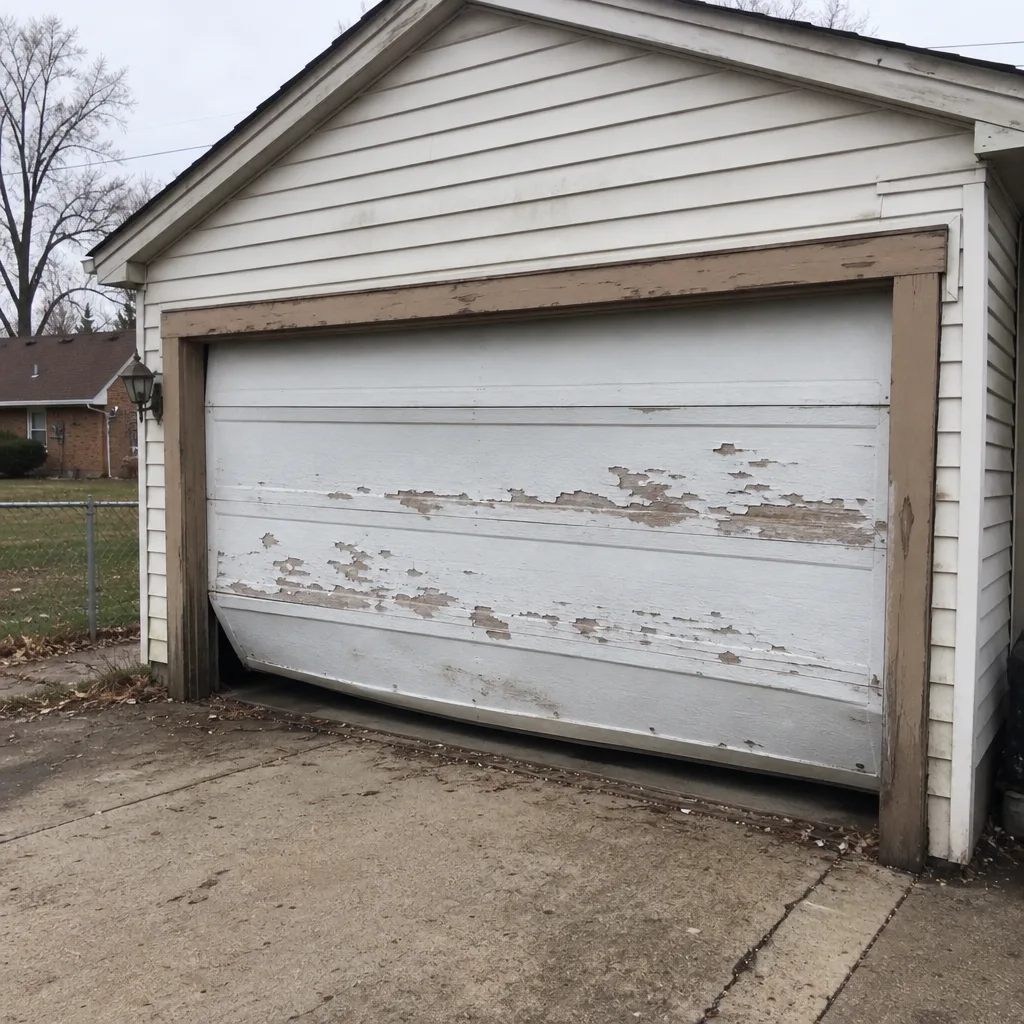 Before
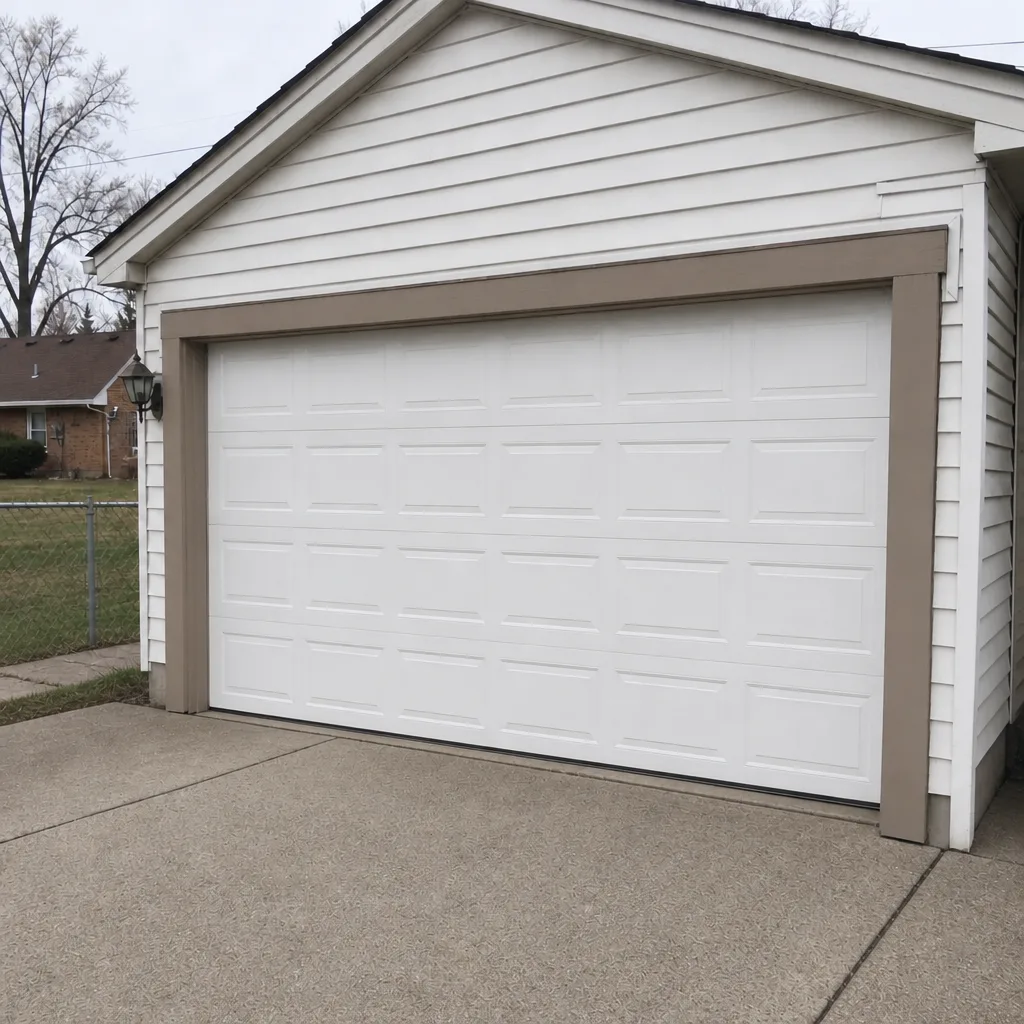 After
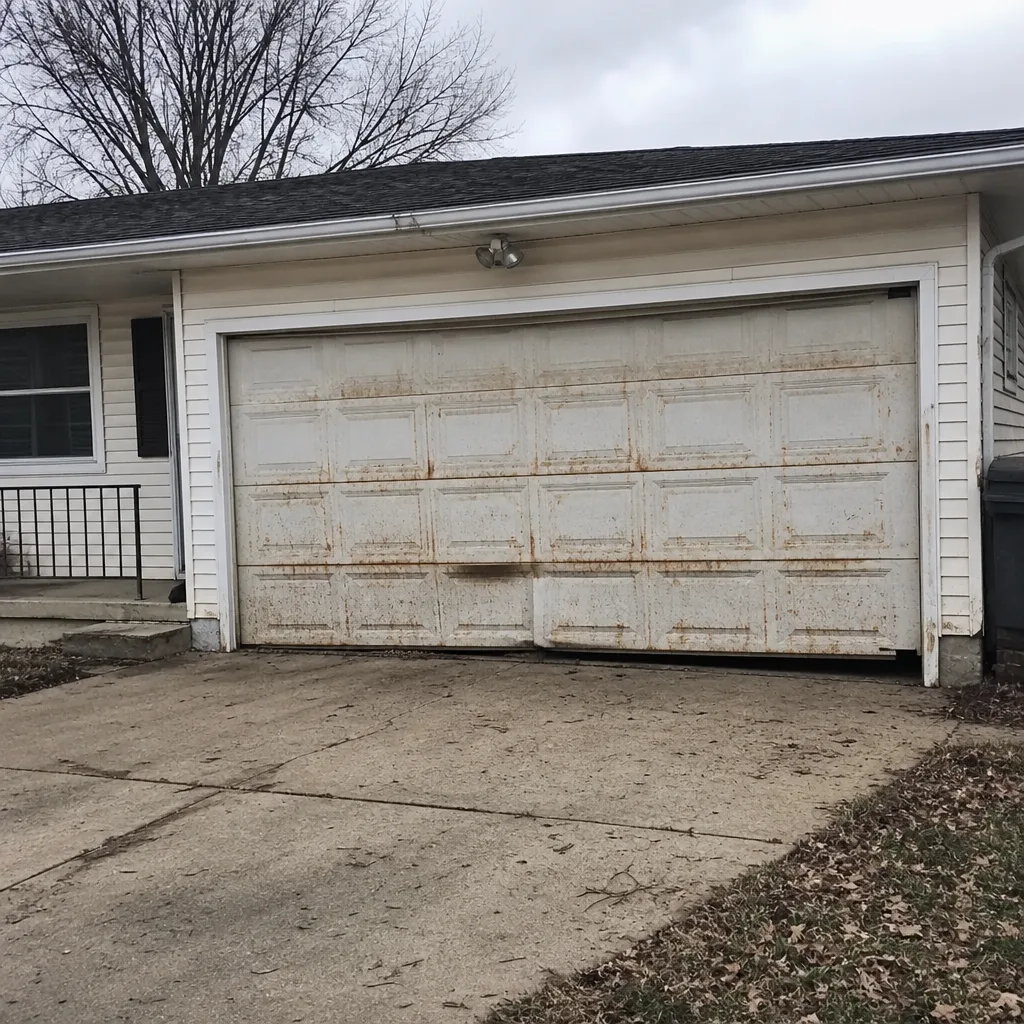 Before
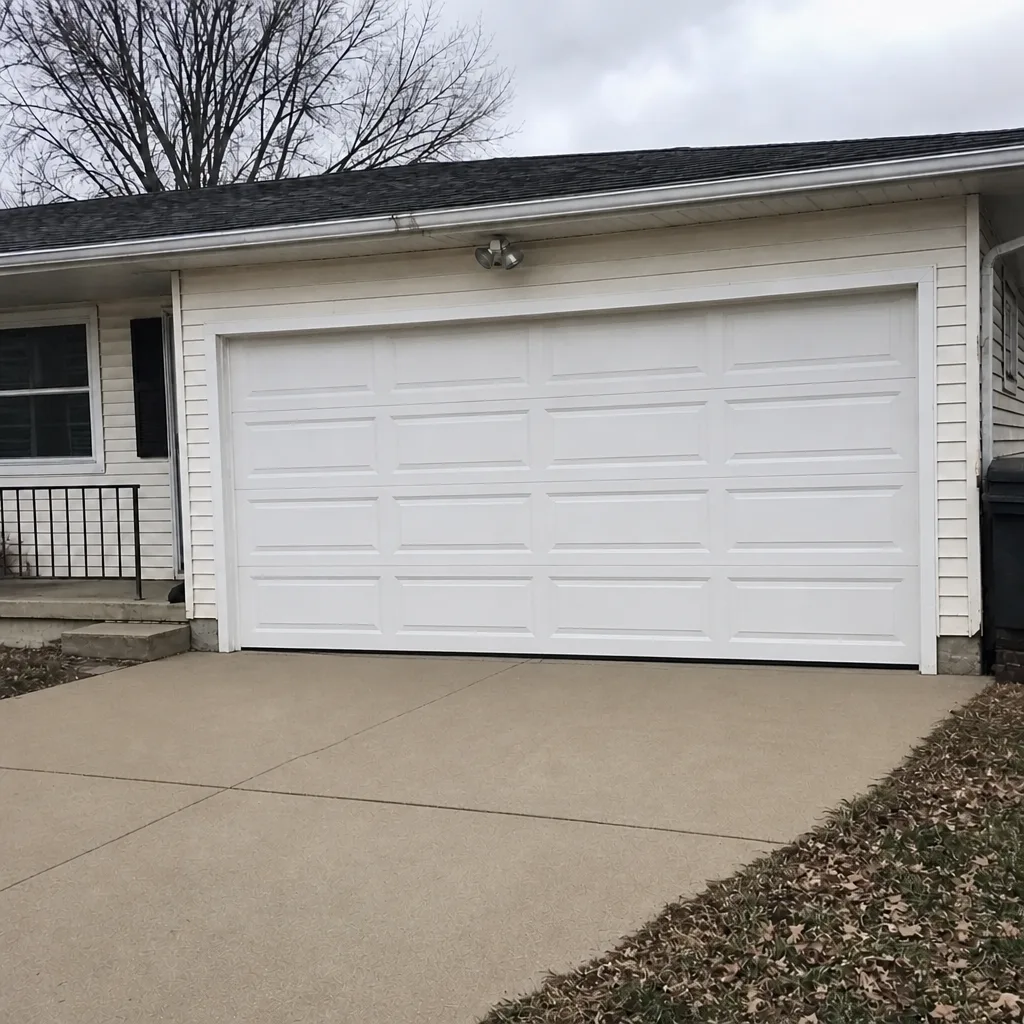 After
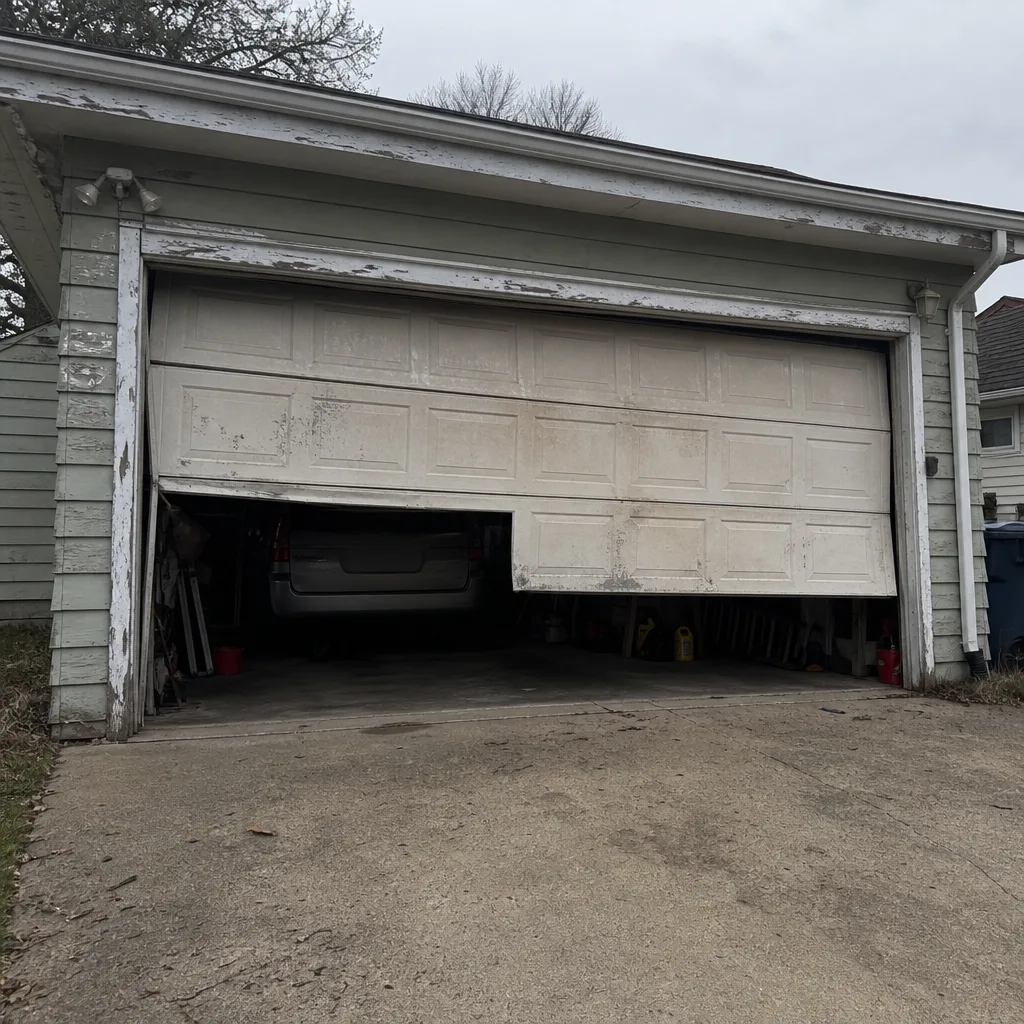 Before
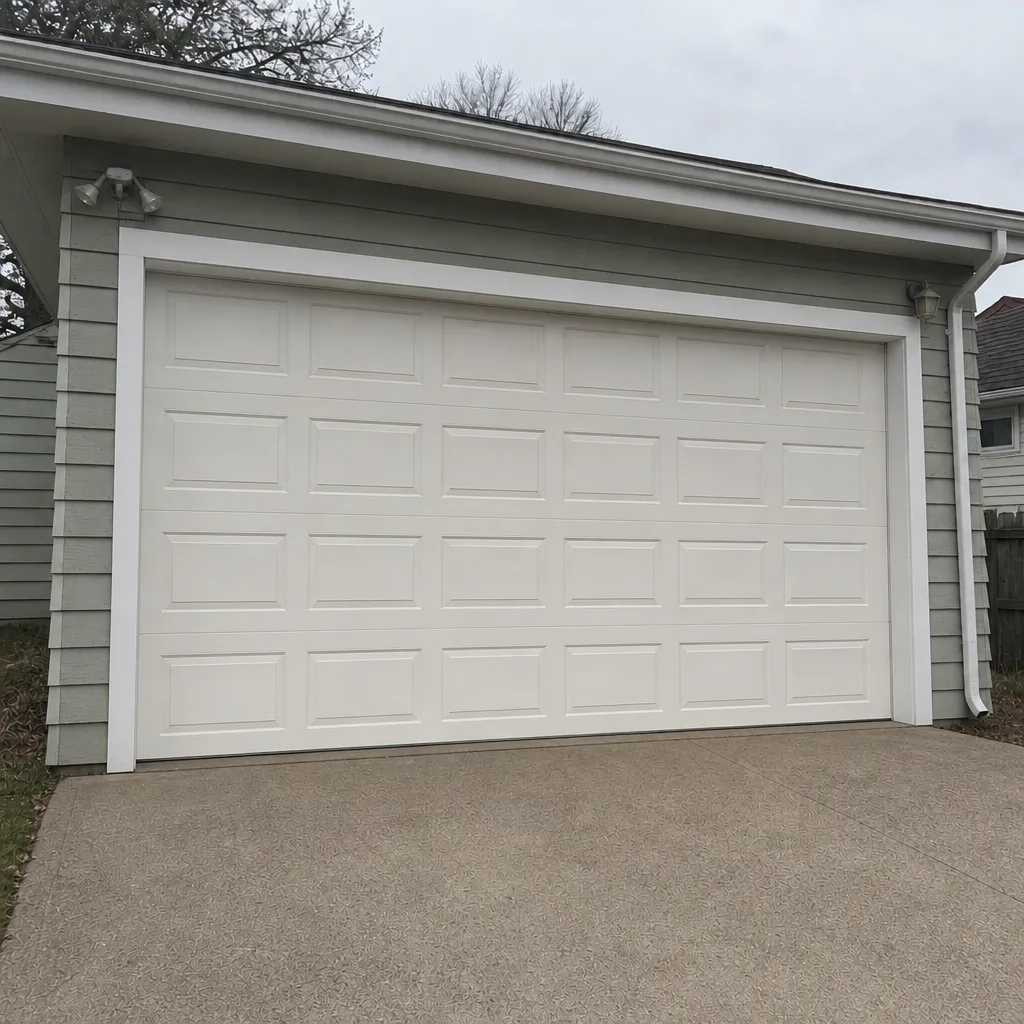 After
When to Call a Professional
Some parts of this are things you can handle on your own: checking with the building department, keeping paperwork, knowing what was done. The moment the work involves a new opening, structural framing, a new circuit, or a spring under tension, bring in a professional. Springs and cables especially are dangerous to touch without the right tools, and no permit shortcut is worth the risk of injury.
For the door and opener side of the project, we’re a specialist for the system you already own. We work on Amarr, Wayne Dalton, Craftsman, Raynor, and the other major brands, and we keep parts on hand so a repair can often be finished in one visit rather than scheduled around a third-party order. Our technicians have up to 13 years of experience, and we can tell you before we touch anything whether your job is likely to need a permit and what to expect at inspection. Linden Garage Door Repair Pros offers free estimates in Linden. Call (877) 330-4873. We answer 24/7. Fast dispatch from 7am to 7pm, Sunday through Friday.
Frequently Asked Questions
In most cases, no, if it’s a same-size replacement in the existing opening with no framing changes and no new electrical circuit. If the job involves a new opening, structural header work, or a new circuit, it usually does require a permit. The final answer for a specific address comes from the local building department, so call them with the exact scope before you buy anything. If they say no permit is needed, ask for that in writing and keep it with your house file.
Usually not, as long as the new opener goes on the existing circuit and the existing mounting. If a new circuit from the panel is required because the garage has no opener wiring or the current circuit is inadequate, that electrical work normally does require a permit and an inspection. Electrical panels are dangerous to open and should only be worked on by a licensed electrician. We handle the opener side and can tell you when the electrical piece needs a licensed trade.
At rough-in, they check the framing, the header, the studs at the opening, and the electrical rough. At final, they check that the door operates smoothly, the springs are correct for the door weight, the opener’s safety reverse works, and the photo-eye sensors are aligned and functioning. The most common reason a final fails is a misaligned safety sensor or an opener wired without proper protection. Both are avoidable if the installer checks before calling for the inspection.
Yes, it can. A buyer’s inspector looks at whether the door matches the opening, whether the header looks original, and whether the electrical to the opener looks professionally done. Unpermitted structural work is the higher risk, since it can trigger a request for a retroactive permit or a price negotiation. Unpermitted replacement work that didn’t need a permit in the first place is usually lower risk, but it’s still worth keeping paperwork either way.
Start by finding out what was actually done, then call the building department and explain the situation. Most building departments have a process for a retroactive permit and an inspection of existing work, and they’d rather see it corrected than hidden. If the framing is sound, the fix can be mostly paperwork. If it isn’t, expect some demo and reassembly at the opening. Either way, get the paperwork and keep it.
Not automatically. Unpermitted work doesn’t typically void coverage on its own, but it can complicate a claim, especially if the question becomes whether the installation was done correctly. Structural work done without a permit is the riskier case. The best protection is to have the work done to current requirements and to disclose recent repairs when you file a claim. We can provide documentation that the door and opener work was done properly.
The Bottom Line
Permits in Ohio follow the structure and the electrical, not the door. Same-size replacement, spring repair, and opener swaps are usually permit-free. New openings, framing changes, and new circuits usually aren’t. Check with the building department for your specific Linden address, describe the scope precisely, and keep the answer in writing whether a permit is required or not. If you inherit unpermitted work, the path out is a phone call and a retroactive inspection, not silence. When the door or opener needs work, we’re here to handle the installation so it passes inspection the first time, and we’ll tell you honestly when the electrical side needs a licensed electrician.
Call (877) 330-4873 for a free estimate. We answer 24/7. Fast dispatch from 7am to 7pm, Sunday through Friday.
You can read more about Linden Garage Door Repair Pros, our garage door opener repair work, and the full range of services we provide for the brands you already own.
Written by the team at Linden Garage Door Repair Pros.